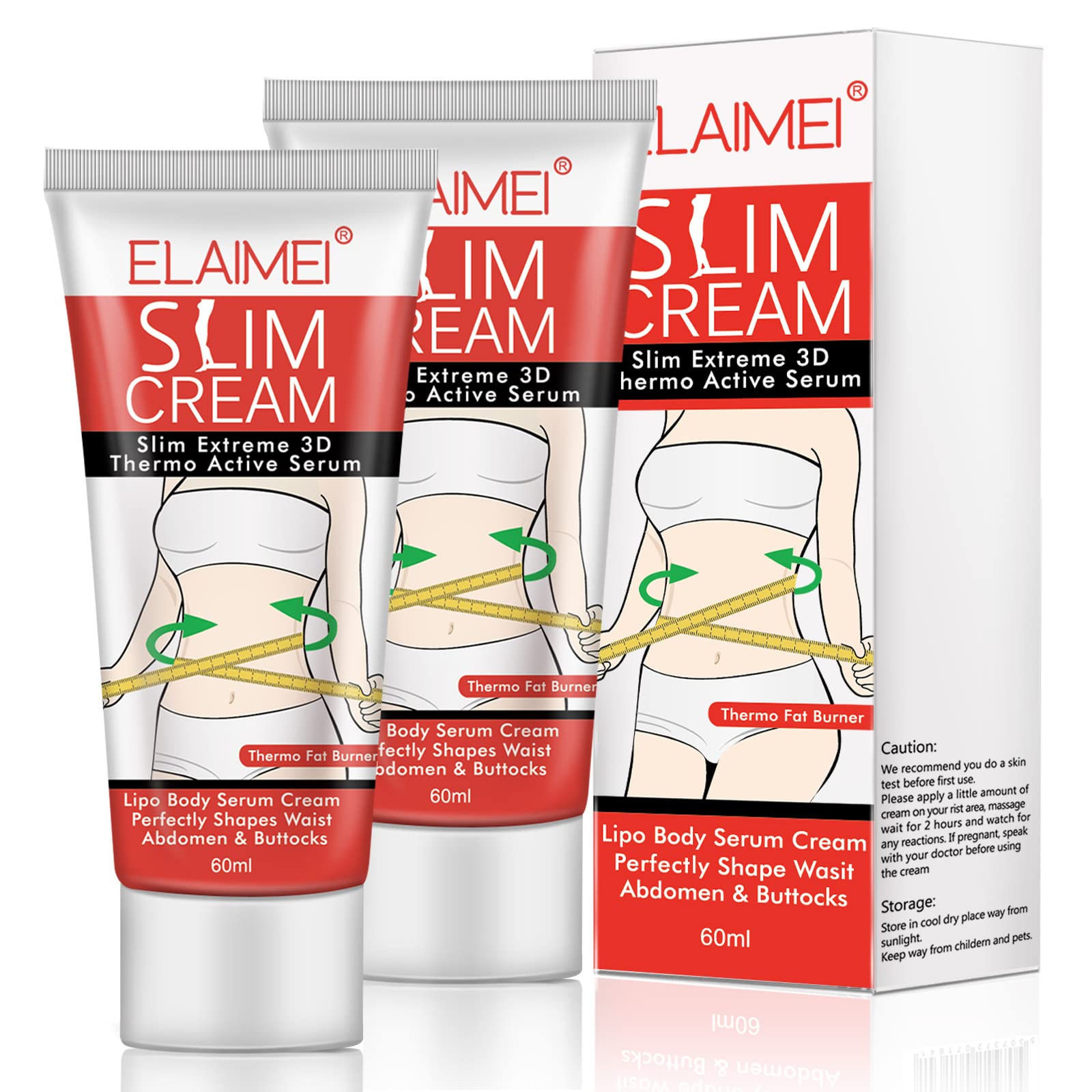
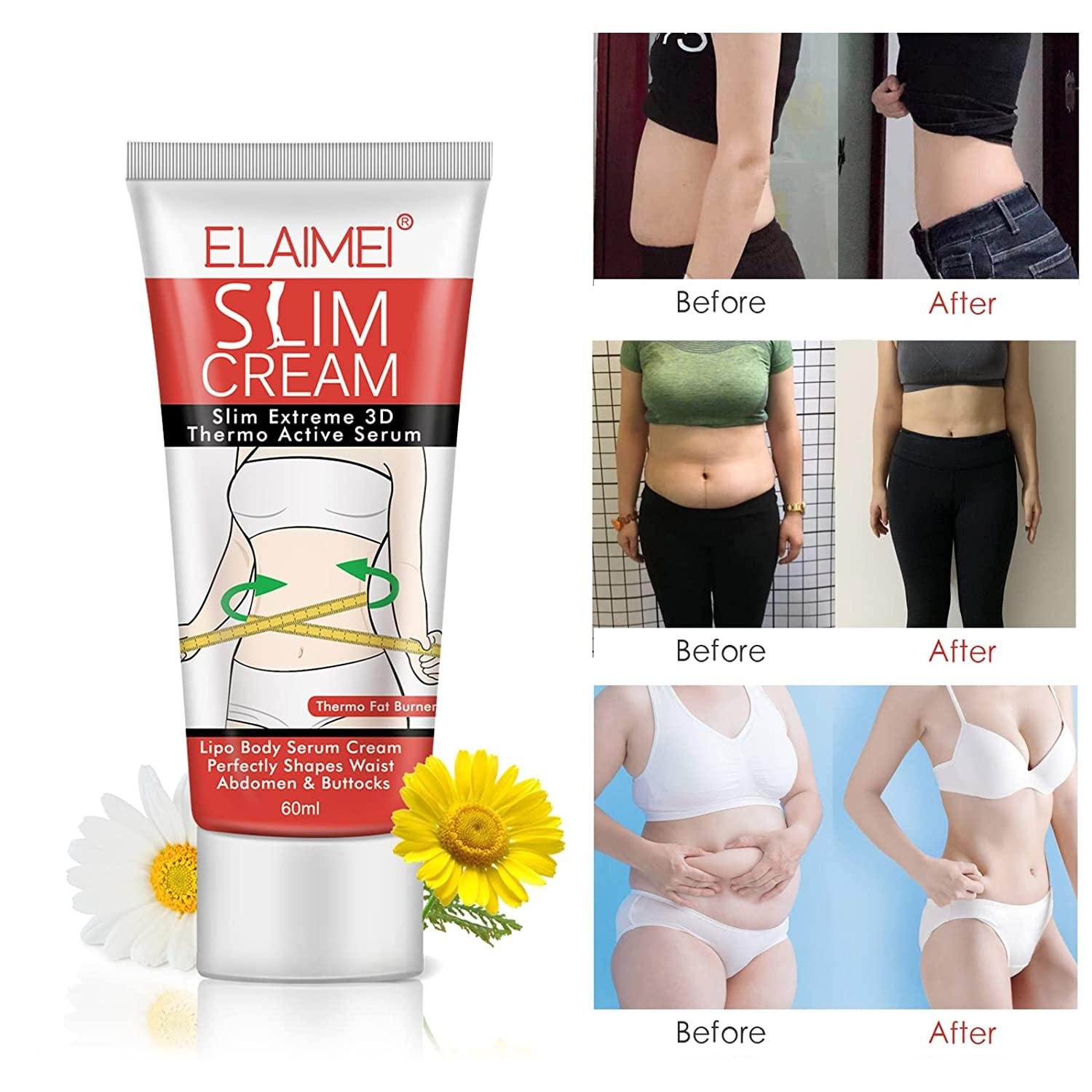
The Contouring Conundrum: A Deep Dive into Slimming Creams for Tummy and Thighs
In a world increasingly obsessed with quick fixes and aesthetic perfection, the allure of a magic potion that can effortlessly sculpt the body is undeniable. Among the myriad of beauty products promising miraculous transformations, slimming creams for areas like the tummy and thighs have carved out a significant niche. These topical formulations claim to reduce the appearance of fat, firm the skin, and diminish cellulite, offering a seemingly effortless path to a more contoured silhouette. But what exactly are these creams, how do they purportedly work, and can they truly deliver on their ambitious promises?
This comprehensive article will delve into the science (and marketing) behind slimming creams, specifically focusing on their application for the tummy and thighs. We will explore their common ingredients, realistic expectations, proper usage, potential side effects, and, most importantly, how they fit into a holistic approach to body sculpting.
The Allure of Localized Contouring
The tummy and thighs are notoriously common areas where fat tends to accumulate and cellulite becomes visible. For many, these "problem areas" are a source of frustration, often resistant even to diligent diet and exercise. This localized stubbornness makes the idea of a cream that can target these specific spots incredibly appealing. The promise of smoother skin, reduced dimpling, and a slightly smaller circumference without invasive procedures or strenuous effort is a powerful marketing tool.
What Are Slimming Creams?
Slimming creams, also known as body contouring creams, anti-cellulite creams, or firming lotions, are topical cosmetic products designed to be applied directly to specific areas of the body. Unlike oral supplements or medications, their action is intended to be localized to the skin and subcutaneous tissue. They are typically formulated with a blend of active ingredients, each chosen for its purported ability to influence fat cells, improve circulation, enhance skin elasticity, or reduce water retention.
The (Claimed) Science Behind the Smoothness: How They Supposedly Work
The mechanisms by which slimming creams claim to work are multifaceted and often complex, drawing from various physiological processes. It’s crucial to understand that while many ingredients have some scientific backing for their individual effects, their efficacy when combined in a topical cream for fat reduction or cellulite elimination is often less robustly proven.
Here are the primary ways slimming creams are said to operate:
-
Lipolysis Promotion (Fat Breakdown):
- Many creams contain ingredients believed to stimulate lipolysis, the process by which fat cells release stored triglycerides. These ingredients are thought to activate enzymes like lipase, which breaks down fat into fatty acids and glycerol, allowing them to be metabolized by the body.
- Example Ingredients: Caffeine, Theophylline, Aminophylline, L-Carnitine, Forskolin.
-
Increased Metabolism/Thermogenesis:
- Some formulations include ingredients that create a warming sensation on the skin. This effect, known as thermogenesis, is purported to increase localized blood flow and metabolism, theoretically aiding in fat burning. However, the extent to which this translates to actual fat loss is highly debatable.
- Example Ingredients: Capsaicin (from chili peppers), Ginger extract, Methyl Nicotinate.
-
Diuretic Effect and Water Retention Reduction:
- Puffiness and localized swelling can contribute to the appearance of larger thighs or a bloated tummy. Certain ingredients are believed to have diuretic properties, helping to flush out excess fluid from the tissues, leading to a temporary reduction in size.
- Example Ingredients: Caffeine (again, as it also has diuretic properties), Horse Chestnut extract, Green Tea extract.
-
Improved Microcirculation and Lymphatic Drainage:
- Poor circulation and impaired lymphatic drainage are often cited as contributing factors to cellulite. Creams may contain ingredients that aim to dilate blood vessels, increase blood flow to the area, and stimulate the lymphatic system to remove toxins and excess fluid, potentially reducing the dimpled appearance of cellulite.
- Example Ingredients: Ginkgo Biloba, Butcher’s Broom, Caffeine.
-
Skin Firming and Collagen Production:
- Beyond fat reduction, many slimming creams focus on improving the skin’s structural integrity. By promoting collagen and elastin production, they aim to make the skin firmer, tighter, and more elastic, which can reduce the appearance of sagging and smooth out the skin’s surface, thereby making cellulite less noticeable.
- Example Ingredients: Retinol (Vitamin A), Peptides, Hyaluronic Acid, Collagen, Elastin, various plant extracts.
Key Ingredients Commonly Found in Slimming Creams
Understanding the ingredients list is crucial when selecting a slimming cream. Here are some of the most prevalent and their purported functions:
- Caffeine: Perhaps the most ubiquitous ingredient in slimming and anti-cellulite creams. It’s a vasodilator, meaning it can temporarily increase blood flow, and a diuretic, which helps reduce water retention. It’s also believed to inhibit phosphodiesterase, an enzyme that breaks down cyclic AMP (cAMP), a molecule involved in stimulating fat breakdown. Its ability to firm the skin and improve circulation makes it a cornerstone of many formulations.
- Retinol (Vitamin A): A powerful antioxidant and cell-communicating ingredient. Retinol is known to stimulate collagen production, improve skin elasticity, and promote cell turnover, leading to smoother, firmer skin. While not directly involved in fat breakdown, its skin-improving qualities can significantly reduce the appearance of cellulite.
- L-Carnitine: An amino acid derivative that plays a crucial role in transporting fatty acids into the mitochondria, where they are burned for energy. Topically, it’s theorized to enhance fat metabolism in the localized area, though transdermal absorption and efficacy for fat loss are subjects of ongoing research.
- Green Tea Extract: Rich in antioxidants (polyphenols) and catechins, particularly EGCG. Green tea is known for its anti-inflammatory properties and its potential to boost metabolism. Topically, it can improve skin health and may contribute to a modest firming effect.
- Ginger and Capsaicin (Chili Pepper Extract): These ingredients create a warming sensation (thermogenesis) on the skin, which is thought to increase blood flow and potentially stimulate localized metabolism. Users often associate the heat with the product "working."
- Hyaluronic Acid: A powerful humectant, meaning it draws moisture from the air and locks it into the skin. While not directly slimming, well-hydrated skin appears plumper, smoother, and healthier, which can improve the overall appearance of the treated area.
- Collagen and Elastin: These are structural proteins vital for skin firmness and elasticity. While topically applied collagen and elastin may not integrate into the skin’s existing structure, they can provide a temporary plumping and smoothing effect on the surface.
- Seaweed Extracts (e.g., Fucus Vesiculosus): Often used for their purported ability to stimulate metabolism and detoxify the skin. They are rich in minerals and vitamins.
- Centella Asiatica (Gotu Kola): A popular herb known for its wound-healing and anti-inflammatory properties. It’s also believed to improve microcirculation and strengthen connective tissue, making it a common ingredient in anti-cellulite formulations.
- Ginkgo Biloba: Known for its ability to improve blood circulation and act as an antioxidant, potentially aiding in the reduction of fluid retention and improving skin tone.
Realistic Expectations: What Slimming Creams Can and Cannot Do
This is arguably the most critical section, as marketing often blurs the lines between aspiration and reality.
What Slimming Creams Can Realistically Do:
- Improve Skin Appearance: This is where creams genuinely shine. They can significantly enhance skin texture, making it feel smoother, softer, and more hydrated.
- Increase Skin Firmness and Elasticity: Ingredients like retinol, peptides, and collagen boosters can help tighten the skin, reducing the appearance of sagging and creating a more toned look.
- Temporarily Reduce the Appearance of Cellulite: By plumping the skin, reducing water retention, and improving microcirculation, creams can temporarily make cellulite dimples less noticeable. The effect is often due to the skin being more hydrated and turgid, smoothing out the surface.
- Provide a Psychological Boost: The ritual of massaging a cream into the skin can be self-affirming and motivating, making individuals feel more proactive about their body goals. The immediate, albeit temporary, improvements can also boost confidence.
- Offer a Mild Diuretic Effect: For those experiencing minor water retention, certain ingredients might lead to a very slight and temporary reduction in circumference due to fluid loss.
What Slimming Creams Cannot Do (Crucial Disclaimers):
- Permanently Burn Fat: Slimming creams do not contain ingredients that can penetrate deep enough into the fat layers to chemically break down and eliminate fat cells (adipocytes) in a significant or permanent way. True fat reduction requires caloric deficit, exercise, or medical procedures.
- Replace Diet and Exercise: No cream, regardless of its claims, can compensate for an unhealthy diet or a sedentary lifestyle. They are not a substitute for a balanced nutritional intake and regular physical activity.
- Lead to Significant Weight Loss: Any minor reduction in measurements from a cream is due to fluid loss or temporary skin tightening, not actual fat loss. They will not help you shed pounds.
- Spot Reduce Fat: The concept of "spot reduction" (losing fat from one specific area by working only that area) is largely a myth. Fat loss occurs systemically throughout the body. While creams target specific areas, they cannot defy the fundamental principles of metabolism.
- Eliminate Cellulite Permanently: Cellulite is a complex structural issue involving fat cells, fibrous bands, and circulation. While creams can improve its appearance, they cannot fundamentally alter the underlying architecture that causes it. The effects are temporary and require continuous application.
Target Areas: Tummy and Thighs Specifics
The tummy and thighs are often targeted because:
- Tummy: Prone to subcutaneous fat accumulation, which can be resistant to diet. The skin can also lose elasticity, leading to a "flabby" appearance. Creams here aim for firmness and a slight reduction in bloating.
- Thighs: A common area for both subcutaneous fat and cellulite. Cellulite on the thighs (especially the back and outer thighs) is widespread, affecting a vast majority of women. Creams focus heavily on smoothing the skin, reducing dimpling, and promoting a more toned look.
For both areas, the emphasis is on improving skin quality and temporarily reducing the appearance of unevenness rather than actual fat removal.
Maximizing Results: Beyond the Cream
To truly achieve a more contoured and toned physique, slimming creams should be viewed as a complementary tool within a comprehensive lifestyle strategy, not a standalone solution. Here’s how to maximize potential benefits:
-
Proper Application Technique:
- Consistency is Key: Apply the cream daily, usually twice a day (morning and evening), as directed by the product.
- Massage Vigorously: Don’t just slap it on. Use firm, circular motions to massage the cream into the skin. This not only helps with absorption but also stimulates blood flow and lymphatic drainage, which can enhance the cream’s effects and is beneficial for cellulite reduction. For thighs, massage upwards towards the heart. For the tummy, use clockwise circular motions.
- Exfoliate Regularly: Using a body scrub or dry brushing before application can remove dead skin cells, allowing the cream to penetrate more effectively.
-
Balanced Nutrition:
- Caloric Deficit (for fat loss): If your goal is to lose fat, you must consume fewer calories than you burn. Focus on whole, unprocessed foods: lean proteins, plenty of fruits and vegetables, whole grains, and healthy fats.
- Hydration: Drink plenty of water throughout the day. This is crucial for overall health, skin elasticity, and helps reduce water retention, which can contribute to a bloated appearance.
- Reduce Sodium and Sugar: High sodium intake can lead to water retention, while excessive sugar contributes to fat storage.
-
Regular Exercise:
- Cardiovascular Exercise: Activities like running, swimming, cycling, or brisk walking help burn calories and reduce overall body fat, including from the tummy and thighs.
- Strength Training: Building muscle mass is vital. Muscle burns more calories at rest than fat, contributing to a higher metabolism. Targeted exercises for the core (planks, crunches) and legs (squats, lunges, deadlifts) will tone the underlying muscles, making the skin appear firmer.
- High-Intensity Interval Training (HIIT): Very effective for fat burning and improving cardiovascular fitness.
-
Adequate Sleep and Stress Management:
- Lack of sleep and chronic stress can disrupt hormones (like cortisol), leading to increased fat storage, especially around the abdomen. Prioritize 7-9 hours of quality sleep and incorporate stress-reducing practices like meditation or yoga.
-
Other Complementary Practices:
- Dry Brushing: Before showering, use a natural bristle brush to gently brush your skin towards your heart. This stimulates lymphatic drainage and exfoliates the skin, making it more receptive to creams.
- Body Massages: Regular massages can improve circulation and break down adhesions in connective tissue, potentially improving cellulite appearance.
- Compression Garments: While not directly slimming, these can provide temporary shaping and support.
Choosing the Right Slimming Cream
With countless options on the market, selecting a slimming cream can be daunting. Consider these factors:
- Ingredient List: Look for creams with a high concentration of the active ingredients discussed above (Caffeine, Retinol, L-Carnitine, Green Tea, etc.). Ingredients are usually listed in descending order of concentration.
- Reviews and Reputation: Read reviews from other users, but take them with a grain of salt. Look for consistent feedback regarding skin texture improvements and temporary firming.
- Skin Type: If you have sensitive skin, opt for creams without strong warming agents (like capsaicin) or excessive fragrances. Always perform a patch test.
- Texture and Scent: Choose a cream that you enjoy using. A pleasant scent and a non-greasy texture will encourage consistent application.
- Price vs. Value: More expensive doesn’t always mean better. Compare ingredient lists and concentrations across different price points.
Potential Side Effects and Precautions
While generally safe for most users, slimming creams can cause side effects, especially due to their active ingredients:
- Skin Irritation: Redness, itching, burning, or a rash are common, especially with ingredients like capsaicin or high concentrations of active compounds.
- Allergic Reactions: Fragrances, preservatives, or specific plant extracts can trigger allergic contact dermatitis.
- Dryness: Some ingredients, particularly those with a strong diuretic effect, can lead to skin dryness if not properly moisturized.
- Photosensitivity: Retinol can make your skin more sensitive to the sun, so always use sunscreen on treated areas, especially if applied during the day.
- Pregnancy and Nursing: Many slimming creams are not recommended for pregnant or nursing women due to the active ingredients. Always consult your doctor before using any new product during these periods.
- Existing Skin Conditions: If you have eczema, psoriasis, or other dermatological conditions, consult a dermatologist before using slimming creams.
Always perform a patch test on a small, inconspicuous area of skin (e.g., inner arm) at least 24 hours before applying the cream extensively.
The Verdict: Are Slimming Creams Worth It?
After dissecting the claims, ingredients, and realistic outcomes, the question remains: are slimming creams for tummy and thighs worth the investment?
The answer is nuanced:
- If your expectation is significant fat loss or permanent cellulite removal, then no. These creams cannot deliver on those promises. Investing in a healthy diet and consistent exercise program will yield far superior results in terms of actual body composition change.
- If your expectation is to improve skin quality, firmness, hydration, and temporarily reduce the appearance of cellulite, then yes, they can be a worthwhile addition to your routine. They can contribute to a smoother, more toned look and feel, providing a boost to your confidence.
Think of slimming creams as a sophisticated skincare product for your body rather than a weight-loss miracle. They are an accessory to a healthy lifestyle, not a replacement for it. The true "magic" happens when these creams are combined with a balanced diet, regular exercise, adequate hydration, sufficient sleep, and a commitment to overall well-being.
Ultimately, the journey to a body you feel confident in is a holistic one. Slimming creams, when used with realistic expectations and as part of a comprehensive strategy, can offer a welcome, albeit superficial, enhancement to your efforts, helping you feel smoother, firmer, and more comfortable in your skin.