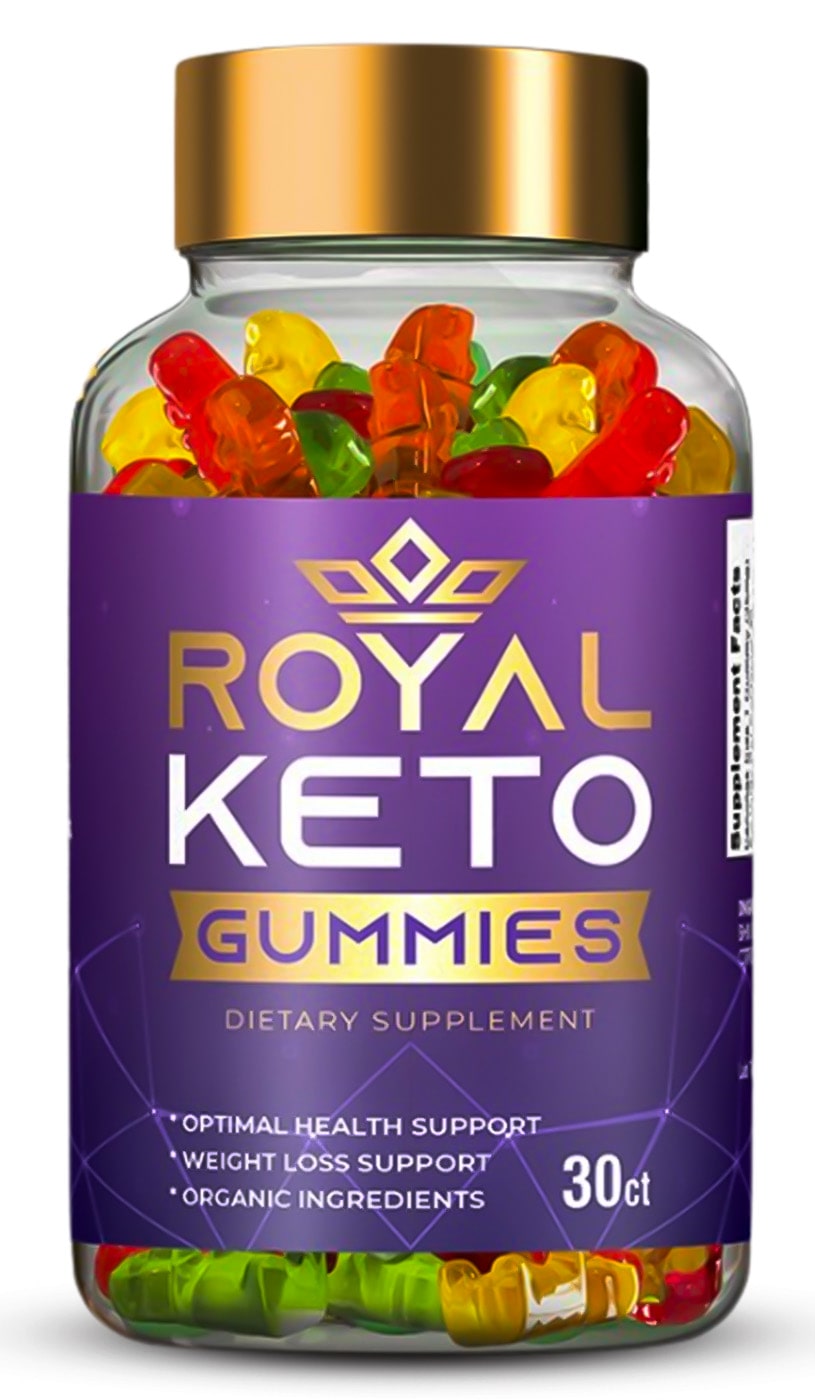
Slimming Gummies for Weight Loss 2025: A Look into the Future of Convenient Wellness
The relentless pursuit of effective and convenient weight management solutions has long been a driving force in the health and wellness industry. From stringent diets and intense workout regimes to countless pills and potions, humanity’s quest for an ideal body composition continues unabated. In recent years, a novel contender has emerged, captivating consumers with its palatable form and user-friendly appeal: slimming gummies. As we fast-forward to 2025, these chewable supplements are poised to evolve, promising not just convenience but potentially more targeted and scientifically-backed approaches to weight loss.
This article delves into the phenomenon of slimming gummies, examining their current standing, the science (or lack thereof) behind their claims, and projecting their trajectory into 2025. We will explore the ingredients, the marketing allure, the regulatory landscape, and what consumers can realistically expect from this sweet path to wellness in the coming years.
The Allure of the Gummy: Why Convenience Wins
The fundamental appeal of slimming gummies lies in their sheer convenience and palatability. For many, swallowing pills can be a chore, a grim reminder of a health regimen. Gummies, on the other hand, transform a medicinal act into a pleasant, even dessert-like experience. This ease of consumption significantly boosts compliance, making it more likely that individuals will stick to their supplement routine.
Beyond taste, gummies offer:
- Discretion: Easy to carry and consume anywhere without water.
- Perceived Naturalness: Often marketed with natural fruit flavors and ingredients, appealing to consumers seeking "clean" labels.
- Marketing Savvy: Bright packaging and celebrity endorsements further enhance their appeal, making them seem less like a "diet product" and more like a lifestyle choice.
This potent combination of convenience, taste, and clever marketing has carved a significant niche for slimming gummies in the competitive weight loss market.
How Do They Claim to Work? Deconstructing the Ingredients
The effectiveness of slimming gummies, much like any supplement, hinges on their active ingredients. While formulations vary widely between brands, most slimming gummies incorporate a blend of compounds commonly associated with weight management. As we approach 2025, the focus on specific, evidence-backed ingredients is likely to intensify.
Here are some of the most common ingredients found in slimming gummies and their purported mechanisms of action:
-
Apple Cider Vinegar (ACV):
- Claimed Benefit: Believed to aid weight loss by promoting satiety, reducing blood sugar spikes, and potentially boosting metabolism.
- Scientific Basis: Some limited human studies suggest ACV can help with satiety and blood glucose regulation, but direct evidence for significant weight loss in gummy form is scarce. The active component, acetic acid, is often present in very small quantities in gummies compared to liquid ACV.
-
Beta-Hydroxybutyrate (BHB) Ketones:
- Claimed Benefit: Marketed for ketogenic diets, BHB is an exogenous ketone body that supposedly helps the body enter and maintain a state of ketosis, promoting fat burning for energy.
- Scientific Basis: While BHB can elevate blood ketone levels, whether it translates to significant, sustained weight loss without strict dietary adherence (a ketogenic diet) is highly debatable. Gummies typically contain minimal amounts of BHB.
-
Garcinia Cambogia (Hydroxycitric Acid – HCA):
- Claimed Benefit: Believed to suppress appetite and inhibit fat production by blocking an enzyme called citrate lyase.
- Scientific Basis: Research on Garcinia Cambogia for weight loss has yielded mixed results, with many studies showing only modest or no significant effect. Bioavailability and dosage in gummies are key concerns.
-
Green Tea Extract (EGCG):
- Claimed Benefit: Rich in antioxidants (catechins like EGCG), green tea extract is thought to boost metabolism and enhance fat oxidation.
- Scientific Basis: Green tea extract has more robust evidence for a modest metabolic boost, particularly when combined with caffeine. However, the effective dosage in a typical gummy might be lower than what’s used in research studies.
-
Conjugated Linoleic Acid (CLA):
- Claimed Benefit: A type of fatty acid that proponents claim can reduce body fat and increase lean muscle mass.
- Scientific Basis: While some animal studies show promise, human studies on CLA for weight loss have produced inconsistent and generally modest results.
-
Chromium Picolinate:
- Claimed Benefit: Often included to help regulate blood sugar levels, which can indirectly impact cravings and appetite.
- Scientific Basis: Chromium plays a role in insulin sensitivity, but its direct impact on significant weight loss for non-diabetic individuals is generally considered minor.
-
Glucomannan (Fiber):
- Claimed Benefit: A soluble dietary fiber that expands in the stomach, promoting a feeling of fullness and reducing calorie intake.
- Scientific Basis: Glucomannan has a relatively strong evidence base for aiding satiety and weight loss when consumed with plenty of water. Its inclusion in gummies can be effective, provided the dosage is sufficient.
-
Vitamins and Minerals (e.g., B Vitamins):
- Claimed Benefit: Often included to support overall energy metabolism and fill nutritional gaps, indirectly supporting a weight loss journey.
- Scientific Basis: While essential for health, these typically don’t directly cause weight loss themselves but support bodily functions that contribute to overall well-being.
The Current Landscape (2023/2024) and Anticipating 2025
The current market for slimming gummies is characterized by rapid growth, intense competition, and a wide spectrum of product quality. Many brands rely heavily on anecdotal testimonials and aspirational marketing rather than rigorous scientific backing. The regulatory environment, particularly in countries like the US (where the FDA regulates supplements differently from drugs), allows for broad claims as long as they don’t explicitly state prevention or cure of disease. This has led to a proliferation of products with varying dosages, ingredient quality, and sometimes, dubious efficacy.
As we approach 2025, several shifts are anticipated:
- Increased Consumer Scrutiny: As the market matures, consumers are becoming more educated and demanding of transparency and scientific proof. The "magic pill" mentality is slowly giving way to a desire for evidence-based solutions.
- Pressure for Regulation: With the growing popularity and occasional controversies (e.g., misleading claims, undeclared ingredients), there will likely be increased pressure on regulatory bodies to tighten controls on supplement advertising and manufacturing.
- Technological Integration: The health and wellness sector is increasingly merging with technology. By 2025, we might see gummies paired with apps for personalized tracking, AI-driven dietary advice, or even integration with wearable tech to monitor progress.
- Focus on Sustainability and Ethical Sourcing: Consumers are increasingly valuing brands that prioritize environmental responsibility and ethical labor practices. This trend will extend to supplement manufacturing, including gummies.
The Scientific Scrutiny: Hype vs. Evidence
This is where the narrative around slimming gummies becomes complex. While individual ingredients like green tea extract or glucomannan do have some scientific basis for their effects on weight, the efficacy of these ingredients when delivered in a gummy format is often questioned.
Several factors contribute to this skepticism:
- Dosage: To make gummies palatable and stable, the concentration of active ingredients might be significantly lower than the dosages used in clinical trials for those specific ingredients. For example, the amount of acetic acid in an ACV gummy might be negligible compared to a spoonful of liquid ACV.
- Bioavailability: The processing involved in making gummies (heating, mixing with sugars/gelling agents) can sometimes affect the stability and bioavailability of the active compounds, meaning the body might not absorb them effectively.
- Lack of Direct Studies: Crucially, there is a significant lack of large-scale, double-blind, placebo-controlled clinical trials specifically on slimming gummies as a finished product. Most claims are extrapolated from research on individual ingredients, often in different forms and dosages.
- Placebo Effect: The psychological impact of taking a supplement, especially one that tastes good and is associated with positive outcomes, can be powerful. The placebo effect alone can sometimes account for perceived benefits in weight loss.
- Underlying Lifestyle: Even if gummies have a minor effect, their impact is likely dwarfed by the influence of diet, exercise, sleep, and stress management. Any weight loss attributed solely to gummies without considering these broader lifestyle factors is misleading.
By 2025, it is hoped that reputable brands will invest more in product-specific research to substantiate their claims, moving beyond just ingredient-level evidence. Consumers will demand to know not just what’s in the gummy, but how much, and if it actually works in that specific format.
Beyond the Gummy: A Holistic Approach to Weight Management
It is paramount to reiterate that no single supplement, including slimming gummies, can replace the foundational pillars of sustainable weight management. Gummies should be viewed, at best, as a supplementary tool, not a magic bullet or a replacement for healthy habits.
A truly effective and sustainable approach to weight management in 2025 and beyond will continue to emphasize:
- Balanced Nutrition: A diet rich in whole foods, lean proteins, healthy fats, and complex carbohydrates, with appropriate calorie intake.
- Regular Physical Activity: A combination of cardiovascular exercise and strength training to burn calories, build muscle, and boost metabolism.
- Adequate Sleep: Poor sleep can disrupt hormones that regulate appetite and metabolism.
- Stress Management: Chronic stress can lead to weight gain by increasing cortisol levels and promoting emotional eating.
- Hydration: Drinking enough water is crucial for metabolism, satiety, and overall health.
- Behavioral Changes: Addressing emotional eating, developing healthy coping mechanisms, and fostering a positive relationship with food and body image.
- Professional Guidance: Consulting with healthcare providers, registered dietitians, or certified personal trainers for personalized advice.
For 2025, the most successful slimming gummy brands will be those that integrate their product within a broader wellness ecosystem, perhaps offering bundled packages with meal plans, exercise guides, or access to online coaching.
Potential Risks, Side Effects, and Considerations for 2025
Despite their seemingly innocuous nature, slimming gummies are not without potential downsides:
- Sugar Content: Many gummies contain added sugars or sugar alcohols to enhance taste, which can add unnecessary calories or cause digestive upset in larger quantities.
- Over-reliance and False Hope: Consumers might rely solely on gummies, neglecting more impactful lifestyle changes, leading to disappointment and a cycle of yo-yo dieting.
- Digestive Issues: Certain ingredients (like fiber or sugar alcohols) can cause bloating, gas, or diarrhea in some individuals.
- Interactions with Medications: Active ingredients in gummies could potentially interact with prescription medications, especially for conditions like diabetes or heart disease.
- Lack of Regulation: The supplement industry is less regulated than pharmaceuticals, meaning product quality, purity, and exact ingredient dosages can vary wildly and may not always match label claims. By 2025, there will hopefully be greater calls for stricter quality control.
- Cost: Consistent use of these gummies can be expensive, representing a significant financial outlay for potentially limited returns.
Consumers in 2025 should be even more vigilant, always prioritizing products from reputable manufacturers that provide third-party testing results and transparent ingredient lists. Consulting a healthcare professional before starting any new supplement regimen, especially for those with underlying health conditions or on medication, remains crucial.
The Future of Slimming Gummies in 2025 and Beyond
Looking ahead to 2025, the slimming gummy landscape is likely to be characterized by:
- Increased Sophistication and Personalization: Expect to see more advanced formulations that leverage emerging research on gut microbiome health, genetics, and metabolic pathways. Personalized gummies, perhaps based on individual DNA profiles or real-time biometric data from wearables, could become a niche but growing market.
- Greater Transparency and Quality Control: Consumer demand will push brands towards clearer labeling, verifiable third-party testing, and potentially even blockchain technology to track ingredient sourcing and manufacturing processes.
- Focus on Multi-Benefit Gummies: Beyond just weight loss, gummies in 2025 might increasingly offer synergistic benefits – combining weight management ingredients with those for stress reduction, sleep improvement, or cognitive function, reflecting a holistic approach to wellness.
- Sustainable and Ethical Practices: Eco-friendly packaging, sustainable sourcing of ingredients, and ethical manufacturing processes will become key differentiators for leading brands.
- Integration with Digital Health Platforms: Gummies might be sold as part of comprehensive digital wellness programs that include diet plans, exercise routines, and virtual coaching, transforming them from standalone products into components of a broader solution.
- Refined Ingredient Science: As research progresses, some ingredients may fall out of favor due to lack of efficacy, while new, more promising compounds might emerge, backed by stronger clinical evidence.
Conclusion
Slimming gummies, with their undeniable appeal of convenience and taste, have carved a significant niche in the weight loss market. As we enter 2025, they are poised for evolution, driven by increasing consumer demand for transparency, personalization, and scientific backing. While the future promises more sophisticated formulations and integrated wellness solutions, the fundamental truth remains: no gummy, however advanced, can circumvent the basic principles of energy balance and healthy lifestyle.
For consumers navigating the weight loss landscape in 2025, slimming gummies might offer a pleasant and potentially beneficial addition to their routine, provided they are chosen wisely, with an understanding of their actual scientific merits and limitations. The sweet promise of effortless weight loss remains largely a marketing fantasy. The real journey to sustainable health and an ideal body composition will always be a holistic one, built on informed choices, consistent effort, and a realistic understanding of what a delicious chewable supplement can, and cannot, achieve.