
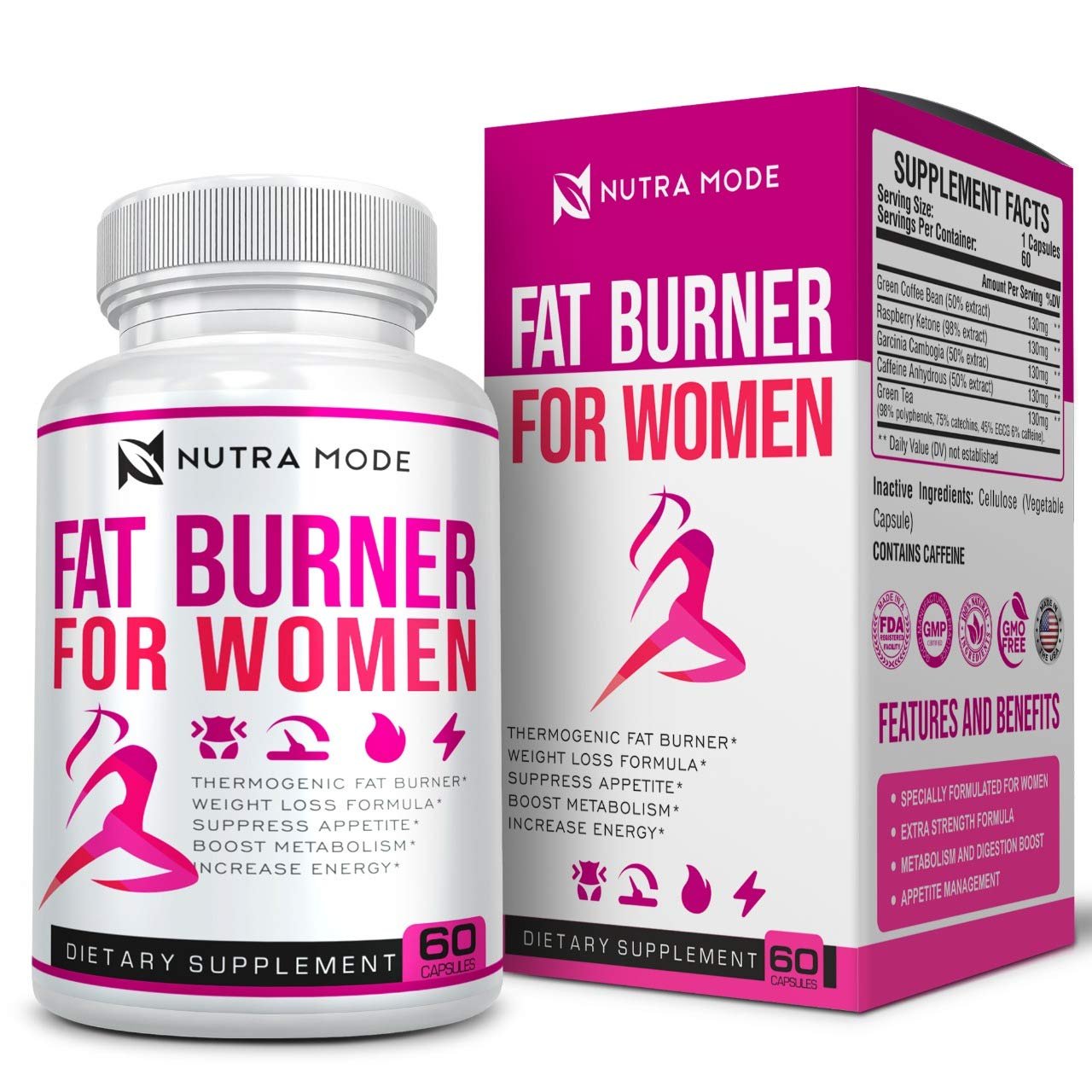
Organic Slimming Supplements for Women: Navigating the Natural Path to Weight Management
In an age where health and wellness are paramount, the pursuit of an ideal body weight is a journey many embark on. For women, this journey is often intertwined with unique physiological complexities, hormonal fluctuations, and societal pressures. The market is saturated with weight loss solutions, but an increasingly popular niche is that of "organic slimming supplements." Promising a natural, gentler approach, these supplements appeal to those seeking to avoid synthetic chemicals and embrace a more holistic path. But what exactly are organic slimming supplements, how do they work, and are they truly the safe and effective solution they claim to be for women? This comprehensive article delves into the world of organic weight loss aids, exploring their mechanisms, common ingredients, potential benefits, inherent risks, and the crucial importance of a balanced, holistic approach to women’s weight management.
The Modern Woman’s Weight Management Challenge
Before diving into supplements, it’s essential to understand why weight management can be a particularly nuanced challenge for women.
- Hormonal Fluctuations: From puberty through reproductive years, pregnancy, and menopause, a woman’s body undergoes significant hormonal shifts (estrogen, progesterone, cortisol, thyroid hormones) that can profoundly impact metabolism, fat distribution, appetite, and energy levels.
- Stress and Lifestyle: Modern life often brings chronic stress, which can elevate cortisol levels, leading to increased appetite, cravings for unhealthy foods, and central fat accumulation. Busy schedules can also limit time for meal preparation and exercise.
- Muscle Mass: Women generally have less muscle mass than men, which translates to a lower basal metabolic rate (BMR), making it harder to burn calories at rest.
- Societal Expectations: The constant pressure to conform to certain body ideals can lead to unhealthy dieting cycles and emotional eating.
Given these challenges, it’s no wonder many women seek out supplementary support to aid their weight loss efforts, with "organic" options offering an alluring promise of safety and alignment with natural health principles.
What Does "Organic" Mean in the Context of Supplements?
The term "organic" carries significant weight in consumer perception. In the context of supplements, "organic" typically refers to ingredients that have been grown or produced without the use of synthetic pesticides, herbicides, fertilizers, genetically modified organisms (GMOs), or antibiotics. For animal-derived ingredients, it means the animals were raised under organic standards.
While "organic" certification (e.g., USDA Organic) provides a level of assurance regarding the purity of the raw materials, it’s crucial to understand that:
- Processing: An organic ingredient can still be processed in ways that might reduce its natural efficacy or be combined with non-organic fillers or excipients in the final product if the product isn’t 100% certified organic.
- Safety vs. Efficacy: "Organic" does not automatically equate to "safe" or "effective" for weight loss. Many natural substances can be potent and have side effects or interact with medications.
The Appeal of Organic Slimming Supplements
The allure of organic slimming supplements stems from several factors:
- Perceived Safety: The belief that "natural" and "organic" equate to fewer side effects and a gentler impact on the body compared to synthetic compounds.
- Holistic Approach: Many users are drawn to the idea that these supplements work in harmony with the body’s natural processes, rather than forcing artificial changes.
- Ingredient Transparency: Often, organic supplements highlight their plant-based origins, appealing to those who want to understand exactly what they’re consuming.
- Addressing Root Causes: Some organic ingredients are purported to address underlying issues like inflammation, gut health, or stress, which can indirectly impact weight.
Common Categories and Organic Ingredients in Slimming Supplements for Women
Organic slimming supplements typically fall into several categories, each designed to target different aspects of weight management. Here are some of the most common, along with their popular organic ingredients:
1. Appetite Suppressants
These supplements aim to reduce hunger and caloric intake by promoting feelings of fullness or impacting satiety hormones.
- Glucomannan (from Konjac Root): A natural, soluble dietary fiber. When ingested with water, it expands in the stomach, creating a feeling of fullness and delaying gastric emptying. Organic glucomannan is sourced from konjac plants grown without synthetic inputs.
- Garcinia Cambogia (Hydroxycitric Acid – HCA): Derived from the rind of a small, pumpkin-shaped fruit. HCA is believed to inhibit an enzyme called citrate lyase, which plays a role in fat production, and may also increase serotonin levels, potentially leading to reduced emotional eating. Organic versions ensure the fruit is cultivated naturally.
- Green Tea Extract: While primarily known as a metabolism booster, the catechins (especially EGCG) and caffeine in green tea can also have a mild appetite-suppressing effect. Organic green tea extract comes from tea leaves grown without pesticides.
2. Metabolism Boosters / Fat Burners
These supplements aim to increase the body’s energy expenditure, promoting the burning of fat for fuel.
- Green Tea Extract (again): The combination of EGCG and caffeine is synergistic, enhancing thermogenesis (heat production) and fat oxidation. Organic green tea ensures a pure source of these compounds.
- Green Coffee Bean Extract: Contains chlorogenic acid, which is thought to inhibit the absorption of carbohydrates in the digestive tract and improve fat metabolism. Organic varieties are derived from unroasted coffee beans grown without chemicals.
- Capsaicin (from Chili Peppers): The active compound in chili peppers that gives them their heat. Capsaicin can induce thermogenesis and increase fat oxidation. Organic capsaicin supplements would come from organically grown chili varieties.
- Yerba Mate: A traditional South American herbal tea rich in antioxidants and natural caffeine. It’s often used for energy and has been studied for its potential to increase fat burning and reduce appetite. Organic yerba mate is grown without synthetic pesticides.
3. Detox & Cleansing Agents
These supplements often claim to "cleanse" the body of toxins, which proponents believe can hinder weight loss and overall health. While the concept of "detox" is largely unsupported by scientific evidence in the way it’s marketed, some ingredients can support liver function or bowel regularity.
- Dandelion Root: A natural diuretic that can help reduce water retention and bloating, often mistaken for fat loss. Organic dandelion root is grown without chemicals.
- Milk Thistle: Known for its active compound silymarin, which supports liver health. A healthy liver is crucial for metabolism and detoxification. Organic milk thistle ensures a pure source.
- Psyllium Husk: A bulk-forming laxative and fiber source that promotes regular bowel movements, which can aid in reducing bloating and improving gut health. Organic psyllium is cultivated without synthetic pesticides.
- Various Herbal Blends: Often include a mix of herbs like ginger, turmeric, spirulina, chlorella, and specific berry extracts (e.g., acai, goji) for their antioxidant and anti-inflammatory properties, which can indirectly support overall health and potentially metabolism. Organic versions ensure these ingredients are grown cleanly.
4. Energy Boosters & Stress Reducers
Fatigue and stress can sabotage weight loss efforts. These supplements aim to improve energy levels and manage stress, indirectly supporting weight management.
- Ashwagandha: An adaptogenic herb used in Ayurvedic medicine. It helps the body adapt to stress, potentially lowering cortisol levels, which can contribute to weight gain, especially around the midsection. Organic ashwagandha is cultivated without synthetic inputs.
- Rhodiola Rosea: Another adaptogen that can help combat fatigue and improve physical and mental performance, making it easier to stick to an exercise routine. Organic rhodiola is wild-harvested or cultivated naturally.
- Ginseng (Panax Ginseng, Siberian Ginseng): Known for its energy-boosting and adaptogenic properties, which can improve stamina and reduce fatigue associated with dieting. Organic ginseng ensures natural cultivation.
5. Blood Sugar Regulators
Stable blood sugar levels are crucial for managing cravings and preventing fat storage.
- Cinnamon: Some studies suggest cinnamon may help improve insulin sensitivity and lower blood sugar levels, which can reduce cravings and prevent spikes that lead to fat storage. Organic cinnamon is sourced from naturally grown trees.
- Chromium Picolinate (organic forms exist): A trace mineral that plays a role in carbohydrate and fat metabolism and may enhance the action of insulin. Organic forms ensure it’s derived from natural processes.
- Berberine: A bioactive compound extracted from several plants (e.g., Goldenseal, Oregon Grape). It has shown promise in improving glucose metabolism and insulin sensitivity, similar to how some diabetes medications work. Organic sources ensure the plant is grown naturally.
The Science Behind the Claims: Potential Benefits vs. Reality
While the theoretical mechanisms sound promising, it’s crucial to approach organic slimming supplements with a realistic perspective.
Potential Benefits (often modest):
- Mild Support: Some ingredients, like glucomannan and green tea extract, have demonstrated modest effects on weight loss when combined with diet and exercise. They might help reduce appetite or slightly boost metabolism.
- Addressing Specific Issues: For women struggling with water retention, a natural diuretic like dandelion might offer temporary relief from bloating. Adaptogens might help manage stress-induced weight gain.
- Nutrient Support: Some organic whole-food based supplements can provide valuable vitamins, minerals, and antioxidants that might be lacking in a restrictive diet.
- Placebo Effect: The psychological belief that a supplement is helping can itself contribute to positive behavioral changes and a feeling of control, leading to some perceived benefits.
The Reality Check:
- Not Magic Pills: No supplement, organic or otherwise, can replace the fundamental principles of weight loss: a calorie deficit (consuming fewer calories than you burn) achieved through a balanced diet and regular physical activity.
- Limited Efficacy: Most scientific studies on these supplements show only modest weight loss, if any, and often over short periods. Significant, sustainable weight loss rarely occurs from supplements alone.
- Individual Variability: What works for one person may not work for another due to genetic differences, metabolism, lifestyle, and underlying health conditions.
- Marketing Hype: The supplement industry is largely unregulated, leading to exaggerated claims and "before-and-after" photos that are often misleading.
Risks, Side Effects, and Safety Concerns for Women
Despite the "organic" label, these supplements are not without potential risks, especially for women who may have unique physiological considerations.
-
Lack of Regulation: In many countries, including the United States (under the FDA), dietary supplements are regulated more like food than drugs. They do not undergo the rigorous pre-market testing for safety and efficacy that pharmaceuticals do. This means:
- Purity and Potency Issues: A product might not contain the stated amount of the active ingredient, or it could be contaminated with heavy metals, pesticides (even if the raw material was organic, contamination can occur during processing), or even undisclosed pharmaceutical ingredients.
- Misleading Labeling: Claims can be unsubstantiated.
-
Potential Side Effects: Even organic, natural ingredients can cause adverse reactions.
- Digestive Issues: Bloating, gas, diarrhea, or constipation are common with fiber-rich supplements (like glucomannan) or detox blends.
- Stimulant Effects: Green tea extract, green coffee bean extract, and Yerba Mate contain caffeine, which can lead to jitters, anxiety, insomnia, increased heart rate, and high blood pressure, especially for those sensitive to stimulants.
- Allergic Reactions: As with any natural substance, allergic reactions are possible.
- Liver Damage: Rare but serious cases of liver injury have been linked to certain herbal supplements, including some "detox" and "fat burner" blends. Women may be more susceptible to drug-induced liver injury.
-
Drug Interactions: This is a critical concern, especially for women who often take various medications:
- Birth Control Pills: Some herbs (e.g., St. John’s Wort, which can be in some "mood support" blends often combined with weight loss) can reduce the effectiveness of oral contraceptives.
- Anticoagulants (Blood Thinners): Ingredients like green tea extract (due to Vitamin K), ginger, or ginkgo (though less common in slimming supplements) can increase the risk of bleeding.
- Antidepressants/Anti-anxiety Medications: Supplements affecting serotonin (e.g., Garcinia Cambogia) or adaptogens could interact.
- Diabetes Medications: Ingredients that affect blood sugar (cinnamon, chromium, berberine) can cause hypoglycemia (dangerously low blood sugar) if taken with diabetes drugs.
- Thyroid Medications: Some supplements can interfere with thyroid hormone absorption or function, which is particularly relevant for women, as thyroid issues are more common in females.
-
Underlying Health Conditions: Women with pre-existing conditions (heart disease, high blood pressure, diabetes, kidney disease, liver disease, autoimmune disorders, eating disorders) should be extremely cautious. Pregnancy and breastfeeding are absolute contraindications for most slimming supplements due to potential harm to the baby.
-
Psychological Impact: Relying heavily on supplements can create a false sense of security, diverting attention from fundamental lifestyle changes. It can also contribute to disordered eating patterns or body image issues if unrealistic expectations are not met.
A Holistic Approach: The Sustainable Path for Women’s Weight Management
Given the limitations and risks of supplements, the most effective and sustainable approach to weight management for women remains a holistic one, where supplements, if used, play a minor supporting role.
-
Balanced Nutrition:
- Whole Foods: Focus on nutrient-dense, unprocessed foods: lean proteins, complex carbohydrates (whole grains, vegetables), healthy fats.
- Portion Control: Understand appropriate serving sizes.
- Hydration: Drink plenty of water. It aids metabolism, satiety, and overall bodily functions.
- Mindful Eating: Pay attention to hunger and fullness cues, eat slowly, and savor meals.
-
Regular Physical Activity:
- Combination is Key: Incorporate both cardiovascular exercise (for calorie burning and heart health) and strength training (to build muscle mass, which boosts metabolism).
- Consistency: Aim for at least 150 minutes of moderate-intensity exercise per week.
- Enjoyment: Find activities you genuinely enjoy to ensure long-term adherence.
-
Adequate Sleep:
- Hormone Regulation: Insufficient sleep disrupts hormones that regulate appetite (ghrelin and leptin) and stress (cortisol), leading to increased cravings and fat storage.
- Energy Levels: Good sleep ensures you have the energy for exercise and healthy choices. Aim for 7-9 hours per night.
-
Stress Management:
- Cortisol Control: Chronic stress elevates cortisol, contributing to abdominal fat and cravings.
- Techniques: Practice mindfulness, meditation, yoga, deep breathing exercises, spend time in nature, or engage in hobbies to reduce stress.
-
Professional Guidance:
- Consult a Healthcare Provider: Before starting any supplement, especially if you have underlying health conditions or are on medication, consult your doctor. They can assess safety, potential interactions, and whether a supplement is appropriate for you.
- Registered Dietitian/Nutritionist: A professional can help create a personalized, sustainable eating plan tailored to your needs and preferences.
- Certified Personal Trainer: Can design an effective and safe exercise program.
-
Patience and Persistence: Sustainable weight loss is a marathon, not a sprint. Celebrate small victories, learn from setbacks, and focus on long-term health rather than quick fixes. Embrace body positivity and self-care.
How to Choose and Use Organic Slimming Supplements Safely (If You Choose To)
If, after consulting with a healthcare professional, you decide to incorporate organic slimming supplements into your weight management plan, consider these guidelines:
- Prioritize Professional Consultation: This cannot be stressed enough. Discuss your health status, medications, and weight loss goals with your doctor.
- Research Thoroughly:
- Ingredients: Understand what each ingredient is, its purported mechanism, and potential side effects.
- Brands: Choose reputable brands known for transparency and quality control. Look for third-party testing (e.g., NSF International, USP, ConsumerLab.com) to verify purity, potency, and absence of contaminants.
- Certifications: Look for USDA Organic certification (or equivalent international standards) to ensure organic sourcing. GMP (Good Manufacturing Practices) certification indicates quality control in manufacturing.
- Start Low, Go Slow: Begin with the lowest recommended dose to assess your tolerance and watch for any adverse reactions.
- Monitor Your Body: Pay close attention to how you feel. Discontinue use if you experience any concerning side effects.
- Be Wary of "Miracle" Claims: If a product promises dramatic weight loss with no effort, it’s likely too good to be true.
- Understand the Investment: Organic supplements can be expensive. Ensure you’re making an informed decision about the potential return on your investment in both health and finances.
- Supplements are Adjuncts: Remember they are meant to supplement, not replace, a healthy diet and active lifestyle.
Conclusion
The appeal of organic slimming supplements for women is undeniable, promising a natural, safer route to achieving weight loss goals. Ingredients like glucomannan, green tea extract, and adaptogens offer intriguing mechanisms that might mildly support appetite control, metabolism, or stress reduction. However, it is paramount to approach these products with a critical and informed perspective. The "organic" label signifies purity in sourcing but does not guarantee efficacy or absolute safety.
The supplement industry’s lack of stringent regulation means consumers must navigate a complex landscape of exaggerated claims, potential contamination, and unverified potency. More importantly, even natural ingredients can carry significant risks, including side effects and dangerous interactions with medications, a concern particularly relevant for women’s unique health profiles.
Ultimately, sustainable and healthy weight management for women is not found in a pill or powder. It is a lifelong commitment to a balanced, whole-foods diet, consistent physical activity, adequate sleep, effective stress management, and, crucially, professional medical guidance. Organic slimming supplements, at best, may serve as minor supportive tools within this comprehensive framework. Prioritizing overall well-being, fostering a positive body image, and embracing patience and self-care are the true ingredients for lasting health and confidence. Before reaching for any supplement, the most empowering step a woman can take is to consult her healthcare provider and invest in lifestyle changes that nurture her body from the inside out.
