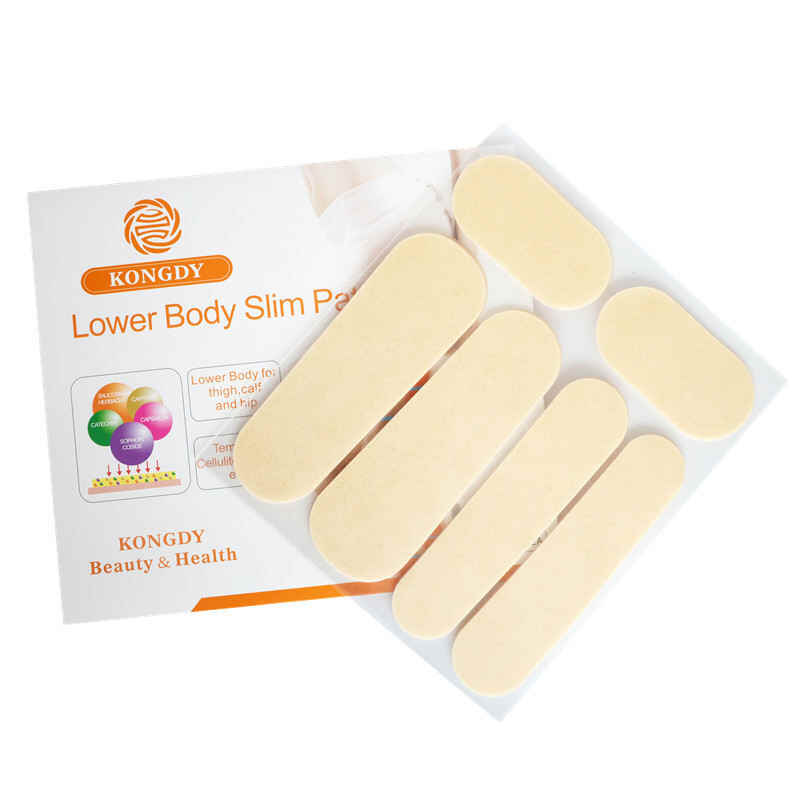
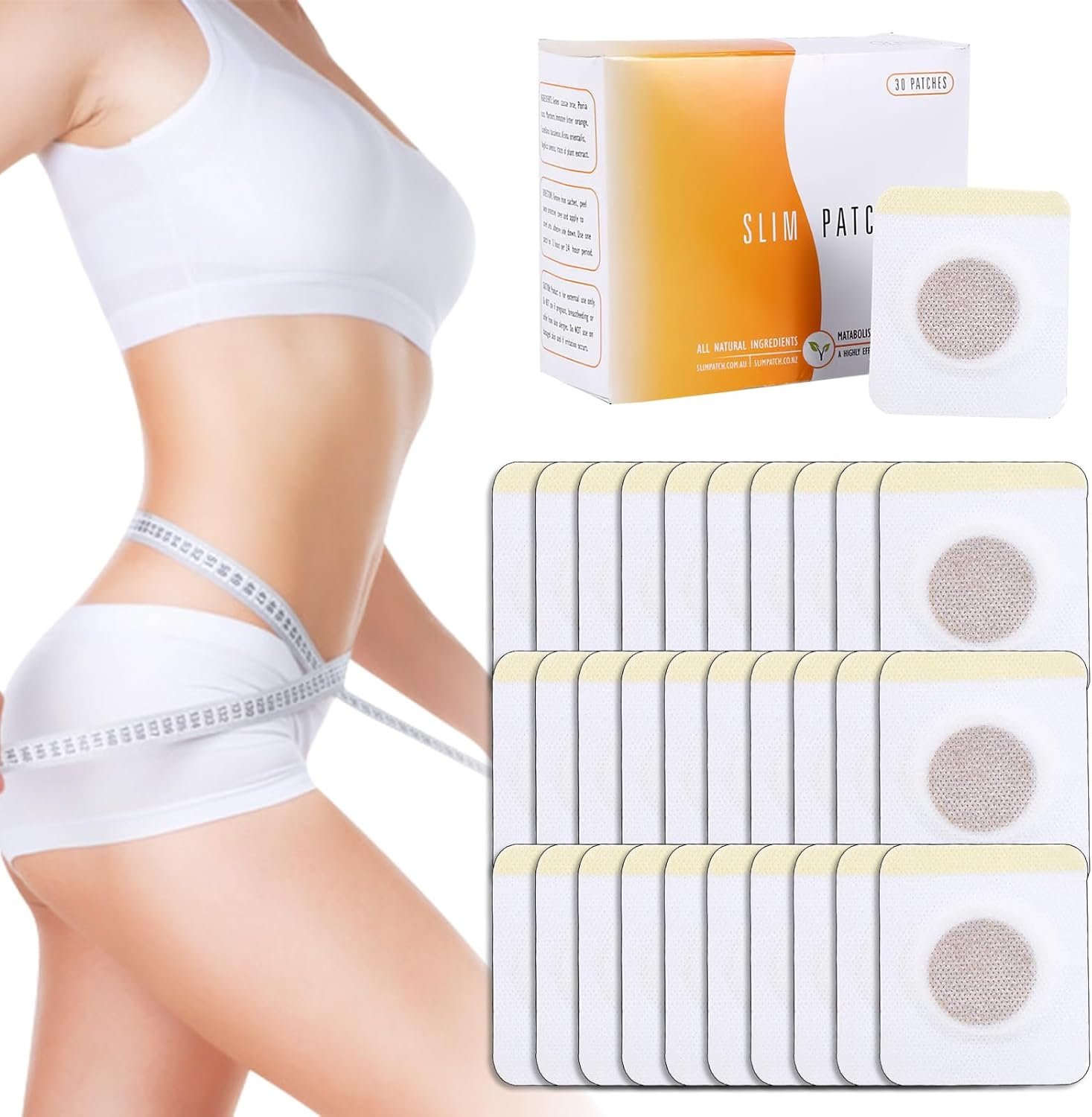
Okay, here’s a comprehensive 2000-word article on "Best Slimming Patches for Stubborn Fat."
The Persistent Pursuit: Can Slimming Patches Conquer Stubborn Fat?
Stubborn fat – it’s the bane of many a weight loss journey. Despite diligent diets and consistent exercise, those pockets of fat around the belly, hips, thighs, and arms often cling on with remarkable tenacity. This resistance can be incredibly frustrating, leading many to seek alternative solutions beyond traditional methods. Enter the world of slimming patches, a non-invasive, discreet, and increasingly popular option that promises to target and diminish these resilient fat deposits.
But are these patches truly the magic bullet for stubborn fat, or are they another overhyped trend in the ever-evolving weight loss industry? This comprehensive article delves deep into the science, efficacy, ingredients, and realistic expectations surrounding slimming patches, helping you understand their potential role in your battle against stubborn fat.
Understanding Stubborn Fat: Why It’s So Stubborn
Before we explore how patches might help, it’s crucial to understand what makes certain fat so difficult to lose. Stubborn fat isn’t just regular fat that’s a bit more clingy; it often has distinct physiological characteristics:
- Receptor Distribution: Fat cells have two main types of receptors for adrenaline and noradrenaline:
- Alpha-2 Receptors: These inhibit fat release (lipolysis). Stubborn fat areas tend to have a higher concentration of alpha-2 receptors.
- Beta-2 Receptors: These promote fat release. Easily lost fat areas tend to have more beta-2 receptors.
This imbalance means that even when your body is in a fat-burning state, stubborn areas are less responsive.
- Blood Flow: Stubborn fat areas often have poorer blood flow. This means that even if fat is mobilized, it’s harder for the body to transport it away to be burned for energy.
- Hormonal Influence: Hormones like insulin, cortisol, and estrogen can influence where fat is stored and how easily it’s released. For instance, high insulin levels promote fat storage, and stress (cortisol) can encourage belly fat accumulation.
- Enzyme Activity: Enzymes like lipoprotein lipase (LPL), which facilitates fat storage, and hormone-sensitive lipase (HSL), which facilitates fat breakdown, also play a role. In stubborn areas, LPL activity might be higher, and HSL activity lower.
- Genetics and Gender: Individual genetics and biological sex significantly influence fat distribution. Women typically store more fat around hips and thighs (gynoid fat), while men tend to store it around the abdomen (android fat).
Given these biological hurdles, the appeal of a targeted solution like a slimming patch becomes clear. The idea is to bypass the systemic challenges and deliver active ingredients directly to the problem areas.
The Science Behind Slimming Patches: How Do They (Claim to) Work?
Slimming patches operate on the principle of transdermal delivery. This means that active ingredients are absorbed through the skin, directly entering the bloodstream or local tissues, bypassing the digestive system entirely. This method is common in medical applications, such as nicotine patches or hormone replacement therapy.
For slimming patches, the purported mechanisms of action typically involve a combination of the following:
- Targeted Ingredient Delivery: Unlike oral supplements that are processed by the liver and distributed throughout the body, patches aim to deliver a concentrated dose of active compounds directly to the area where they are applied. This is especially appealing for stubborn fat, as it suggests a localized attack.
- Lipolysis Promotion: Many ingredients in slimming patches are chosen for their ability to stimulate lipolysis – the breakdown of stored fat into fatty acids, which can then be used for energy.
- Metabolism Boosting: Some ingredients are thought to subtly increase the body’s metabolic rate, leading to more calories being burned, even at rest.
- Appetite Suppression: While less common for topical application, some patches contain ingredients that, if absorbed systemically, could potentially help reduce cravings or feelings of hunger.
- Improved Circulation: Better blood flow to fat cells can theoretically help transport mobilized fatty acids away for burning and improve the delivery of other active compounds.
- Detoxification/Fluid Reduction: Certain herbal ingredients are included with the claim of reducing water retention and flushing out toxins, which can contribute to a slimmer appearance, especially in areas prone to bloating.
The skin’s barrier function (stratum corneum) is the primary challenge for transdermal delivery. For ingredients to be effective, they must be formulated to penetrate this barrier. Nanotechnology, liposomes, and penetration enhancers are often employed to improve absorption.
Key Ingredients to Look For (and Their Purported Benefits)
The efficacy of a slimming patch largely depends on its active ingredients and their concentration. Here are some of the most commonly found compounds and their claimed benefits:
- Caffeine:
- Mechanism: A potent stimulant, caffeine is believed to promote lipolysis by inhibiting phosphodiesterase, an enzyme that breaks down cAMP (cyclic AMP). Increased cAMP levels activate hormone-sensitive lipase, leading to fat breakdown. It also improves microcirculation, which can aid in the transport of mobilized fat.
- Application: Widely used in topical anti-cellulite creams and patches due to its potential to stimulate fat release and improve skin texture.
- Green Tea Extract (EGCG):
- Mechanism: Rich in catechins, particularly epigallocatechin gallate (EGCG), green tea is known for its thermogenic properties and ability to boost metabolism. It can inhibit enzymes that break down norepinephrine, a neurotransmitter that signals fat cells to release fat.
- Application: Included for its metabolic-boosting and antioxidant effects, aiming to enhance overall fat burning.
- Garcinia Cambogia (Hydroxycitric Acid – HCA):
- Mechanism: HCA is thought to inhibit citrate lyase, an enzyme involved in converting carbohydrates into fat. It may also increase serotonin levels, potentially leading to appetite suppression and reduced emotional eating.
- Application: Primarily for its fat-blocking and appetite-suppressing properties, though systemic absorption via patches is a question mark for this effect.
- Fucus Vesiculosus (Bladderwrack):
- Mechanism: A type of seaweed rich in iodine. Iodine is crucial for thyroid hormone production, which regulates metabolism. Some believe topical application can stimulate local metabolism.
- Application: Used to support thyroid function and potentially boost metabolism in the applied area. Caution is advised for individuals with thyroid conditions.
- L-Carnitine:
- Mechanism: An amino acid derivative that plays a critical role in transporting fatty acids into the mitochondria, where they are burned for energy.
- Application: Included to enhance the fat-burning process by facilitating the transport of fat to energy-producing centers.
- Capsaicin (from Chili Pepper):
- Mechanism: The compound responsible for the heat in chili peppers. It’s a thermogenic agent, meaning it can increase body temperature and metabolism, leading to greater calorie expenditure. It may also stimulate blood flow.
- Application: For its warming effect and potential to boost local metabolism and circulation. Can cause a tingling or warming sensation.
- Salicylic Acid:
- Mechanism: While primarily known as a beta-hydroxy acid (BHA) for exfoliation, in patches, it’s often used as a penetration enhancer, helping other active ingredients to better permeate the skin.
- Application: To improve the absorption of other active ingredients.
- Herbal Extracts (e.g., Ginseng, Ginger, Ginkgo Biloba):
- Mechanism: These are often included for their general health benefits, antioxidant properties, and potential to improve circulation, which indirectly supports fat metabolism and detoxification.
- Application: To provide synergistic effects and overall well-being.
When selecting a patch, always scrutinize the ingredient list. Look for reputable brands that clearly state the concentration of active ingredients and provide third-party testing results if available.
Types of Slimming Patches
While the goal is always fat reduction, patches can be categorized by their primary intended mechanism:
- Fat-Burning/Metabolism-Boosting Patches: These are the most common, focusing on ingredients like caffeine, green tea extract, and capsaicin to stimulate lipolysis and increase metabolic rate in the applied area.
- Appetite-Suppressing Patches: Less common for topical application, these would contain ingredients like HCA from Garcinia Cambogia, aiming for systemic absorption to reduce hunger cravings. Their efficacy via transdermal route for this purpose is highly debated.
- Detox/Circulation-Enhancing Patches: These often contain various herbal extracts and aim to reduce water retention, improve lymphatic drainage, and enhance blood flow, leading to a temporary slimming and smoothing effect.
- Combination Patches: Many modern patches combine multiple ingredients to offer a multi-pronged approach to weight loss, addressing fat breakdown, metabolism, and sometimes circulation.
Evaluating Efficacy: What Does the Science Say?
This is where the excitement around slimming patches often meets a dose of reality. While the concept of transdermal delivery is sound for certain compounds (e.g., small, lipid-soluble molecules like hormones or nicotine), its effectiveness for delivering fat-burning compounds in sufficient quantities to cause significant, localized fat loss is a subject of ongoing debate and limited robust scientific evidence.
- Limited Direct Research: There are very few large-scale, independent, peer-reviewed clinical trials specifically on slimming patches demonstrating significant and sustainable fat loss in humans. Most claims rely on:
- Ingredient-Specific Research: Studies showing the efficacy of oral consumption of ingredients like caffeine or green tea extract for weight loss. The leap to assuming the same efficacy via topical application at concentrations achievable through the skin is not always scientifically supported.
- Anecdotal Evidence: Personal testimonials, which, while encouraging for individuals, do not constitute scientific proof.
- Skin Barrier Challenges: The skin is an incredibly effective barrier designed to keep things out. Penetrating the stratum corneum with large or hydrophilic molecules in sufficient quantities to have a systemic or localized effect on fat cells is difficult. While penetration enhancers exist, their ability to deliver a "fat-melting" dose is questionable.
- Localized vs. Systemic Effect: Even if ingredients penetrate the skin, it’s difficult to ascertain whether they primarily exert a localized effect on fat cells in the immediate vicinity or if they are absorbed into the bloodstream for a more systemic, albeit subtle, effect. For stubborn fat, the appeal is precisely the localized targeting.
- Placebo Effect: The psychological aspect of using a patch, combined with other lifestyle changes, can contribute to perceived results. The act of "doing something" actively can motivate individuals to stick to their diet and exercise routines more diligently.
The Realistic View: Slimming patches are unlikely to be a standalone solution for significant fat loss, especially for stubborn areas. They should be viewed as a supplementary tool rather than a primary method. Any modest benefits are likely to be seen only when combined with a consistent calorie deficit and regular exercise.
Benefits of Using Slimming Patches (The Appeal)
Despite the scientific caveats, slimming patches offer several attractive benefits:
- Convenience and Ease of Use: Simply peel and stick. No pills to remember, no messy creams. They are discreet and can be worn under clothing.
- Non-Invasive: A completely external solution, avoiding the risks and discomfort associated with surgical procedures or injectable treatments.
- Bypasses Digestive System: For individuals with sensitive stomachs or absorption issues with oral supplements, transdermal delivery avoids the gastrointestinal tract, potentially reducing side effects like nausea or indigestion.
- Targeted Application (Perceived): The ability to apply a patch directly to a problem area gives the user a sense of targeted action, which is appealing for stubborn fat.
- Steady Release: Patches can deliver ingredients slowly and consistently over several hours, potentially maintaining a more stable level of active compounds in the body compared to intermittent oral dosing.
- Minimal Systemic Side Effects: Generally, topical applications lead to fewer systemic side effects compared to oral ingestion, as the overall absorbed dose might be lower or more localized.
Potential Drawbacks and Considerations
It’s equally important to be aware of the downsides:
- Limited Scientific Proof of Efficacy: As discussed, robust evidence specifically for fat loss from patches is scarce.
- Skin Irritation/Allergies: Some individuals may experience redness, itching, rash, or irritation at the application site due to adhesives or active ingredients. Patch testing on a small area first is advisable.
- Cost: Quality slimming patches can be expensive, and continuous use can add up.
- Over-Reliance and False Hope: Relying solely on patches without fundamental lifestyle changes can lead to disappointment and discourage sustainable weight loss efforts.
- Regulation: The supplement and cosmetic industries are often less strictly regulated than pharmaceuticals. This means product claims and ingredient quality can vary widely.
- Not a Standalone Solution: They cannot replace diet and exercise. Fat loss fundamentally requires consuming fewer calories than you burn.
How to Maximize Results (If You Choose to Use Them)
If you decide to incorporate slimming patches into your routine, here’s how to give them the best possible chance to work and achieve your overall body composition goals:
- Embrace a Holistic Approach: This is paramount. Patches are not a substitute for:
- Calorie-Controlled Diet: Focus on whole, unprocessed foods, lean proteins, healthy fats, and plenty of fruits and vegetables. Create a sustainable calorie deficit.
- Regular Exercise: Combine cardiovascular exercise (to burn calories) with strength training (to build muscle, which boosts metabolism). High-intensity interval training (HIIT) can be particularly effective for fat loss.
- Adequate Sleep: Poor sleep disrupts hormones that regulate appetite and fat storage (ghrelin, leptin, cortisol).
- Stress Management: Chronic stress elevates cortisol, which promotes belly fat storage.
- Hydration: Drink plenty of water throughout the day.
- Proper Application:
- Apply to clean, dry, hair-free skin.
- Rotate application sites to prevent irritation.
- Follow the manufacturer’s instructions regarding wear time (e.g., 8-12 hours, daily or every other day).
- Consistency is Key: Like any supplement, patches require consistent use over time to potentially see any subtle effects.
- Patience and Realistic Expectations: Understand that even with optimal conditions, any results from patches will likely be modest and take time. Do not expect dramatic, overnight transformation.
- Monitor Your Progress: Take measurements, progress photos, and note how your clothes fit, rather than relying solely on the scale.
- Consult a Healthcare Professional: Before starting any new supplement or weight loss regimen, especially if you have underlying health conditions, are pregnant or nursing, or are taking medications, consult your doctor or a registered dietitian. They can provide personalized advice and ensure it’s safe for you.
- Choose Reputable Brands: Opt for patches from well-established companies with transparent ingredient lists, clear instructions, and positive, realistic reviews. Be wary of exaggerated claims.
Who Should (and Shouldn’t) Consider Slimming Patches?
May Consider (as an adjunct):
- Generally healthy individuals who are already committed to a healthy diet and exercise routine and are looking for a potential minor boost or an extra psychological edge against stubborn fat.
- Those who prefer non-invasive topical solutions over oral supplements.
Should Avoid/Consult a Doctor First:
- Pregnant or nursing women.
- Individuals with skin conditions (eczema, psoriasis, very sensitive skin).
- People with known allergies to patch adhesives or common ingredients.
- Individuals with thyroid conditions (especially if the patch contains iodine-rich ingredients like Fucus Vesiculosus).
- Anyone taking prescription medications, as there could be potential interactions.
- Individuals with severe obesity, as patches are not designed for significant weight loss.
Conclusion: A Tool, Not a Transformation
Slimming patches for stubborn fat represent an intriguing innovation in the weight loss landscape. They offer the allure of targeted, non-invasive treatment, bypassing the digestive system and delivering active ingredients directly to the skin. Ingredients like caffeine, green tea extract, and L-carnitine are well-researched for their roles in metabolism and fat breakdown, but their efficacy when delivered transdermally in quantities sufficient to cause significant localized fat loss remains largely unproven by independent, robust clinical trials.
The truth is, there’s no magic patch that can melt away stubborn fat while you continue unhealthy habits. Stubborn fat is a biological reality, and conquering it requires a consistent, multi-faceted approach. Slimming patches, at best, should be considered a complementary tool in a comprehensive strategy that prioritizes:
- Sustainable Calorie Deficit: Eating fewer calories than you burn.
- Regular Physical Activity: Combining cardio and strength training.
- Adequate Sleep and Stress Management: Optimizing hormonal balance.
- Hydration: Supporting overall metabolic function.
If you choose to experiment with slimming patches, do so with realistic expectations, a critical eye, and a foundation of healthy lifestyle habits. Always prioritize safety by checking ingredients, performing patch tests, and consulting with a healthcare professional, especially if you have any pre-existing conditions. While the quest for an easy solution to stubborn fat continues, the most effective and sustainable path to a healthier, leaner body will always be paved with consistent effort and informed choices.