
Okay, here is a comprehensive article about "Slimming Powder for Meal Replacement," designed to be around 2000 words.
The Transformative Power of Slimming Powder: Your Modern Meal Replacement for Sustainable Weight Management
In an era defined by fast-paced lifestyles and readily available processed foods, the global prevalence of overweight and obesity has reached alarming levels. As individuals seek effective, convenient, and sustainable solutions for weight management, meal replacement products, particularly in powder form, have emerged as a significant contender. Once primarily confined to clinical settings for extreme weight loss or specific medical conditions, slimming powders for meal replacement have now permeated the mainstream, promising a streamlined path to achieving and maintaining a healthy weight.
This extensive article delves deep into the world of slimming powders for meal replacement, exploring their scientific basis, nutritional composition, myriad benefits, potential drawbacks, and crucially, how to integrate them effectively into a holistic weight management strategy. We will unpack what makes these powders tick, how to choose the right one, and what a balanced approach to their use truly entails for long-term success.
I. Understanding Slimming Powders for Meal Replacement: More Than Just a Shake
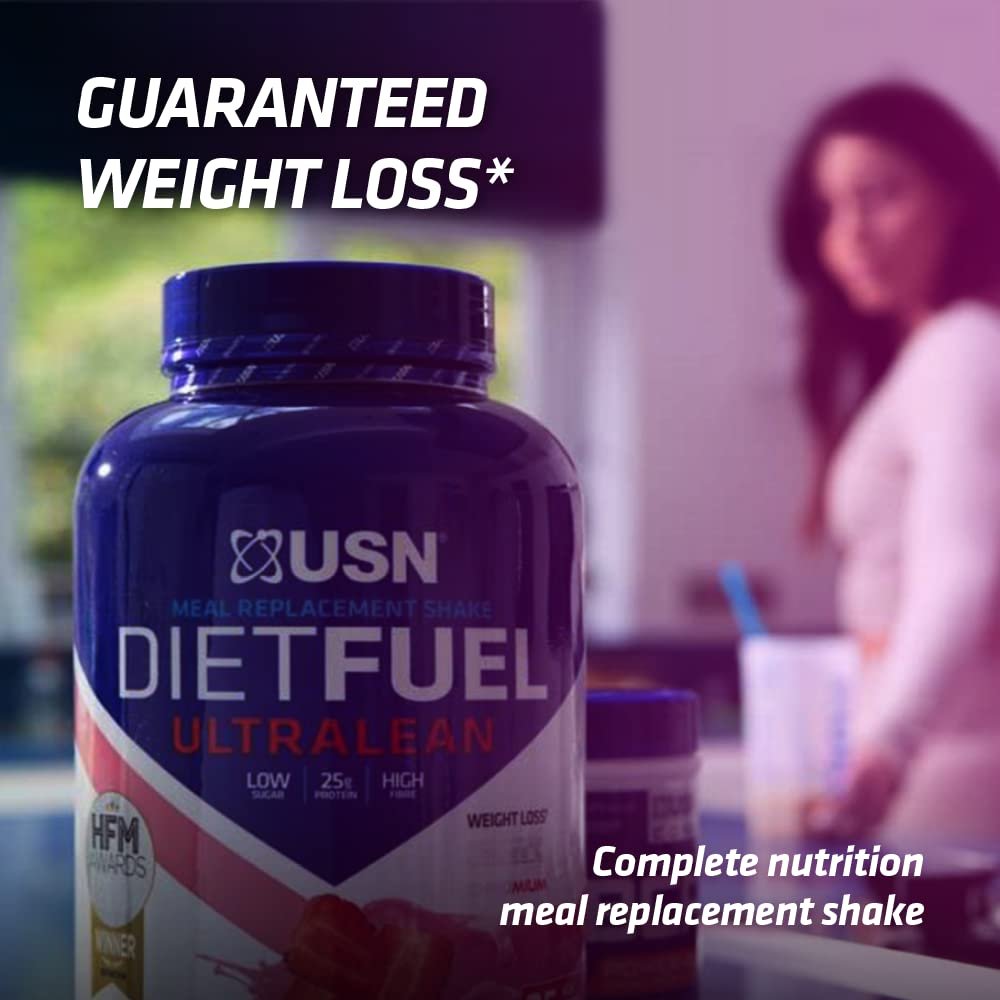
At its core, a slimming powder designed for meal replacement is a formulated dietary supplement intended to replace one or more conventional meals. Unlike a simple protein shake, a true meal replacement powder (MRP) is engineered to provide a balanced spectrum of macronutrients (protein, carbohydrates, fats) and a comprehensive profile of essential micronutrients (vitamins and minerals), all within a carefully controlled calorie count. The primary objective is to deliver complete nutrition while creating a caloric deficit necessary for weight loss.
The evolution of these powders is fascinating. Early iterations were often bland and medically focused. Today, the market boasts a vast array of flavors, textures, and specialized formulations catering to diverse dietary needs, from plant-based options to those fortified with probiotics or adaptogens. This evolution reflects a growing understanding of both nutritional science and consumer preferences.
II. The Science Behind the Shake: How MRPs Facilitate Weight Loss
The efficacy of slimming powders for weight loss is rooted in several well-established scientific principles:
-
Caloric Deficit Creation: This is the bedrock of all weight loss. To lose weight, you must consume fewer calories than your body expends. MRPs excel at this by providing a fixed, relatively low-calorie meal that eliminates the guesswork and often excessive calories associated with traditional meals. A typical meal replacement shake might range from 150-300 calories, significantly less than an average breakfast, lunch, or dinner.
-
Enhanced Satiety and Hunger Control: One of the biggest challenges in weight loss is managing hunger. MRPs are specifically designed to promote satiety (the feeling of fullness) through:
- High Protein Content: Protein is the most satiating macronutrient. It slows down digestion, signals the release of appetite-suppressing hormones like PYY and GLP-1, and has a higher thermic effect (meaning your body expends more energy to digest it) compared to fats and carbohydrates. Most effective MRPs contain 20-30 grams of protein per serving.
- Ample Fiber: Dietary fiber, both soluble and insoluble, adds bulk to the digestive system, slows gastric emptying, and can contribute to a sustained feeling of fullness. Soluble fiber, in particular, forms a gel-like substance in the stomach, further delaying digestion and nutrient absorption. Many MRPs include several grams of fiber per serving.
-
Nutrient Density in Calorie Restriction: When cutting calories, there’s a risk of nutrient deficiencies. MRPs are fortified with a wide array of vitamins and minerals to ensure the body receives essential micronutrients even on a reduced-calorie diet. This prevents the fatigue, compromised immune function, and other health issues that can arise from inadequate nutrient intake during weight loss.
-
Metabolic Support: While MRPs don’t "boost" metabolism in a magical sense, the high protein content helps preserve lean muscle mass during weight loss. Muscle is metabolically active tissue, meaning it burns more calories at rest than fat. By preserving muscle, MRPs help maintain a healthier resting metabolic rate, making it easier to sustain weight loss.
-
Portion Control and Simplicity: This is perhaps one of the most practical benefits. MRPs eliminate the need for calorie counting, meal planning, and portioning. They offer a simple, pre-measured solution that removes the cognitive load and decision fatigue often associated with dieting, making adherence much easier, especially for busy individuals.
III. Key Ingredients and Their Roles in a Quality Slimming Powder
A discerning consumer should understand the common ingredients found in high-quality meal replacement powders:
-
Proteins:
- Whey Protein (Concentrate, Isolate, Hydrolysate): Derived from milk, highly bioavailable, rich in BCAAs (branched-chain amino acids), excellent for muscle preservation and satiety. Whey isolate is purer with less lactose and fat.
- Casein Protein: Also milk-derived, but digests slowly, providing a sustained release of amino acids, contributing to prolonged fullness.
- Soy Protein: A complete plant-based protein, suitable for vegetarians and vegans.
- Pea Protein: Another popular plant-based option, hypoallergenic and easily digestible.
- Rice Protein, Hemp Protein, Pumpkin Seed Protein: Other plant-based choices, often combined to create a complete amino acid profile.
-
Fibers:
- Psyllium Husk: A common source of soluble fiber, known for its gel-forming properties and digestive health benefits.
- Inulin (Chicory Root Fiber): A prebiotic fiber that supports gut health by feeding beneficial gut bacteria.
- Oat Fiber: Insoluble fiber that adds bulk and aids regularity.
-
Carbohydrates:
- Ideally, these should be complex carbohydrates with a low glycemic index to provide sustained energy and prevent blood sugar spikes. Sources like oat flour or maltodextrin (used judiciously to prevent clumping and provide some texture) are common. The total carbohydrate content should be moderate to low.
-
Fats:
- While typically low in overall fat, some MRPs include small amounts of healthy fats from sources like flaxseed powder (omega-3s) or MCT oil (medium-chain triglycerides) for satiety and essential fatty acid intake.
-
Vitamins and Minerals:
- A comprehensive blend including Vitamin A, C, D, E, K, B-complex vitamins (B1, B2, B3, B5, B6, B7, B9, B12), Calcium, Iron, Magnesium, Zinc, Selenium, Copper, Manganese, Chromium, Molybdenum, Iodine, and Potassium. These are crucial for preventing deficiencies during calorie restriction.
-
Sweeteners and Flavorings:
- Natural Sweeteners: Stevia, erythritol, monk fruit extract are popular choices to provide sweetness without adding significant calories.
- Artificial Sweeteners: Sucralose, aspartame, acesulfame potassium are also used but may be a concern for some consumers.
- Natural Flavorings: Cocoa powder, vanilla extract, fruit powders.
-
Other Functional Ingredients (Optional):
- Probiotics/Prebiotics: For gut health.
- Digestive Enzymes: To aid nutrient absorption.
- Green Tea Extract/Caffeine: For mild metabolic support or energy (use with caution).
- Adaptogens: Ashwagandha, Rhodiola for stress management.
IV. The Undeniable Benefits of Incorporating Slimming Powders
When used appropriately, slimming powders offer a compelling array of benefits for individuals on a weight loss journey:
- Unparalleled Convenience: For busy professionals, parents, or anyone with limited time, MRPs are a game-changer. They require minimal preparation – just mix with water or milk – making healthy eating accessible even on the go.
- Precise Calorie and Macronutrient Control: They remove the guesswork. Each serving provides a consistent, pre-measured amount of calories, protein, carbs, and fats, making it easier to stay within daily targets.
- Nutritional Adequacy: Unlike crash diets or skipping meals, MRPs ensure that essential vitamins and minerals are still consumed, preventing nutrient deficiencies that can compromise health and energy levels.
- Structured Eating Pattern: For those who struggle with erratic eating habits, MRPs can help establish a regular meal schedule, reducing impulsive snacking and overeating.
- Reduced Food Decisions and Cravings: By providing a quick, satisfying, and nutritionally complete meal, MRPs can significantly reduce decision fatigue around food choices and help curb cravings, especially for unhealthy options.
- Potential for Rapid Initial Weight Loss: The structured caloric deficit often leads to quicker initial weight loss, which can be highly motivating and reinforce positive behavioral changes.
- Cost-Effectiveness (Potentially): Depending on the brand and the meals they replace, MRPs can sometimes be more economical than preparing healthy, balanced meals from scratch, especially for single servings.
V. Considerations and Potential Drawbacks: A Balanced Perspective
While highly beneficial, slimming powders are not a panacea and come with their own set of considerations:
- Monotony and Lack of Chewing: For some, the repetitive nature of shakes can lead to boredom and a lack of the psychological satisfaction derived from chewing and eating solid food. This can impact long-term adherence.
- Sustainability and Transitioning Off: A common pitfall is the lack of a clear plan for transitioning back to whole foods. If not managed properly, individuals may regain weight once they stop using MRPs if they haven’t learned sustainable eating habits.
- Variability in Quality: Not all MRPs are created equal. Some may be high in sugar, artificial ingredients, or lack sufficient protein and fiber, rendering them less effective or even detrimental. Careful selection is paramount.
- Digestive Issues: The high fiber or certain artificial sweeteners in some powders can cause bloating, gas, or stomach discomfort in sensitive individuals.
- Social Aspects of Eating: Replacing meals with a shake can make social eating situations awkward or challenging, potentially leading to feelings of isolation.
- Dependency and Lack of Education: Over-reliance on MRPs without simultaneously learning about balanced nutrition, portion control, and healthy cooking can hinder the development of essential long-term lifestyle skills.
- Cost: While potentially cost-effective, some premium MRP brands can be quite expensive, making them inaccessible for some budgets.
VI. How to Choose the Right Slimming Powder for You
Navigating the crowded market of slimming powders requires an informed approach. Here are key factors to consider:
- Protein Content: Aim for at least 20-30 grams of high-quality protein per serving to maximize satiety and muscle preservation.
- Fiber Content: Look for 5-10 grams of fiber per serving to aid digestion and promote fullness.
- Sugar Content: Opt for powders with minimal added sugars, ideally less than 5 grams per serving. Natural sweeteners are generally preferred over artificial ones.
- Comprehensive Micronutrient Profile: Ensure the powder provides a significant percentage (e.g., 25-50% of the Daily Value) of a wide range of vitamins and minerals.
- Ingredient Quality and Purity: Look for reputable brands that use high-quality, recognizable ingredients and ideally, undergo third-party testing for purity and potency.
- Allergens and Dietary Restrictions: Check for common allergens like dairy, soy, or gluten if you have sensitivities. Many plant-based options are available.
- Taste and Mixability: While subjective, these factors are crucial for adherence. Read reviews and consider purchasing small samples if possible.
- Calorie Count: Ensure it aligns with your overall calorie deficit goals.
VII. Integrating Slimming Powders into a Holistic Weight Loss Strategy
Slimming powders are a powerful tool, not a standalone solution. Their maximum potential is realized when integrated into a comprehensive approach to weight management:
-
Strategic Meal Replacement:
- Initial Phase (e.g., 2-4 weeks): Replace 1-2 meals (e.g., breakfast and lunch) with a shake, while having one balanced, whole-food dinner. This can kickstart weight loss.
- Maintenance/Transition Phase: Gradually reduce reliance on shakes, perhaps replacing only one meal or using them as an occasional convenient option.
- Flexibility: Use them on busy days, or when you know you might struggle with healthy meal prep.
-
Prioritize Whole Foods: Ensure your non-shake meals are rich in lean protein, plenty of vegetables, fruits, and complex carbohydrates. Learn to cook healthy, balanced meals.
-
Stay Hydrated: Drink plenty of water throughout the day. This is crucial for overall health and can also help with satiety.
-
Incorporate Regular Physical Activity: Exercise is non-negotiable for sustainable weight loss and overall health. Combine cardiovascular activity with strength training to preserve muscle mass and boost metabolism.
-
Practice Mindful Eating: Even when consuming a shake, pay attention to hunger and fullness cues. When eating whole foods, savor your meals, eat slowly, and avoid distractions.
-
Address Behavioral and Emotional Factors: Weight often has roots in emotional eating or unhealthy coping mechanisms. Consider seeking support from a therapist or coach to address these underlying issues.
-
Seek Professional Guidance: Consult with a doctor or a registered dietitian before starting any significant weight loss program, especially if you have underlying health conditions. They can help tailor a plan specific to your needs and monitor your progress safely.
-
Plan for Transition: As you approach your weight goals, gradually reduce your reliance on shakes. Practice preparing and portioning healthy whole-food meals. This gradual shift is key to preventing rebound weight gain.
VIII. Who Can Benefit (and Who Should Be Cautious)?
Beneficiaries:
- Busy individuals: Who lack time for meal prep.
- Those struggling with portion control: MRPs offer pre-portioned, controlled calories.
- Individuals needing a structured approach: To break unhealthy eating habits.
- People aiming for rapid initial weight loss: To boost motivation.
- Travelers: As a convenient and healthy option on the go.
Cautions:
- Pregnant or Breastfeeding Women: Nutrient needs are specific and higher; consult a doctor.
- Children and Adolescents: Their growth and development require specific nutritional support.
- Individuals with Certain Medical Conditions: Such as kidney disease, liver disease, diabetes, or eating disorders. Medical supervision is essential.
- Those with a History of Eating Disorders: MRPs can exacerbate unhealthy relationships with food.
- Anyone with Allergies or Sensitivities: Carefully check ingredients.
IX. The Future of Meal Replacement Powders
The landscape of meal replacement powders is continuously evolving. We can anticipate:
- Increased Personalization: Tailored formulations based on individual genetic profiles, microbiome analysis, or specific dietary needs.
- More Functional Ingredients: Beyond basic nutrition, integration of nootropics, adaptogens, specialized pre/probiotics for targeted health benefits.
- Greater Focus on Sustainability: Sourcing of ingredients, packaging, and environmental impact will become increasingly important.
- Enhanced Sensory Experience: Continued improvements in taste, texture, and mixability to make them even more enjoyable.
X. Conclusion: Empowering Your Weight Loss Journey with Informed Choices
Slimming powders for meal replacement represent a powerful and practical tool in the complex journey of weight management. They offer unparalleled convenience, precise nutritional control, and a structured approach that can significantly accelerate initial weight loss and support consistent progress.
However, their effectiveness hinges not on their magical properties, but on their intelligent integration into a broader, holistic lifestyle. They are best utilized as a supportive element, empowering individuals to create a sustainable caloric deficit while simultaneously fostering healthy eating habits, embracing physical activity, and addressing the underlying behavioral aspects of weight.
By making informed choices about product selection and adopting a balanced, long-term perspective, slimming powders can indeed transform your weight loss efforts, paving the way for a healthier, more vibrant you. Remember, true success lies not just in shedding pounds, but in cultivating a sustainable relationship with food and your body for life.
