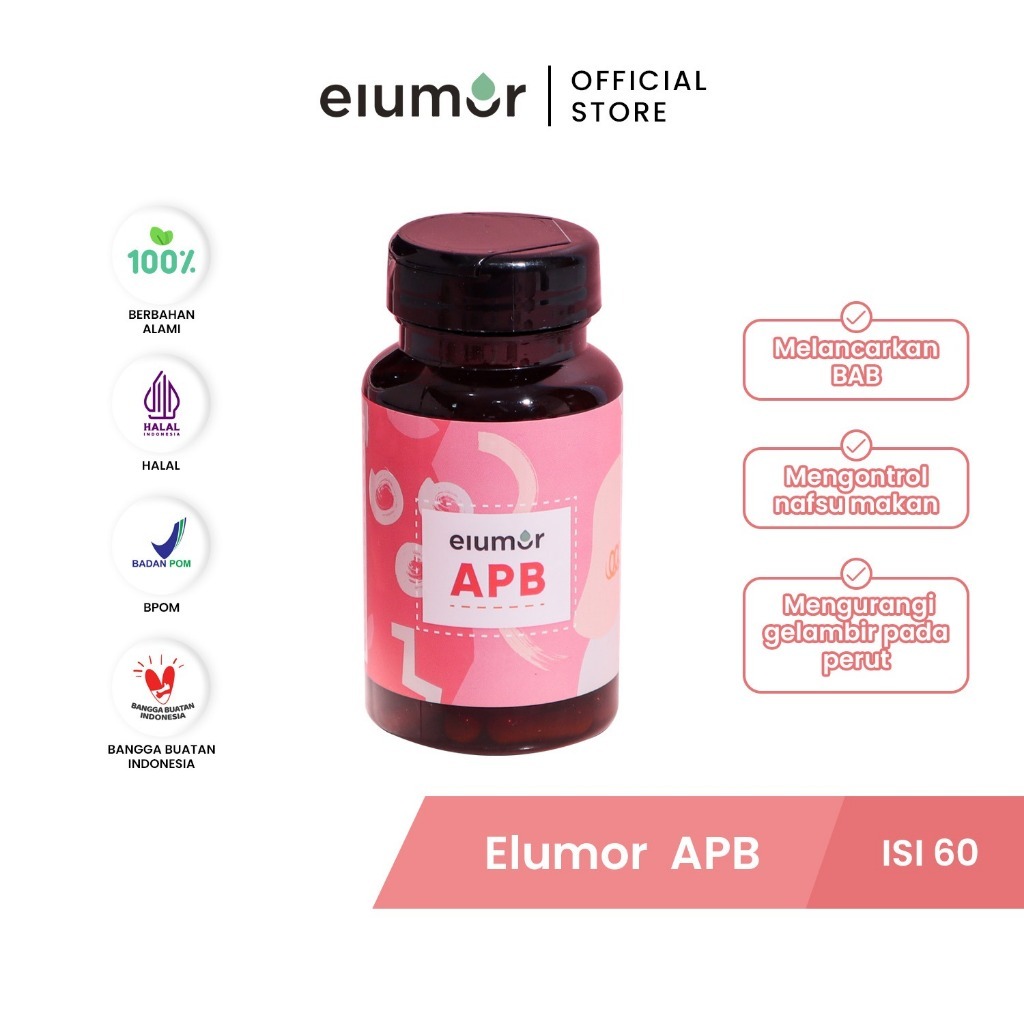

Okay, here is a comprehensive article about "Herbal Slimming Capsules for Weight Loss," aiming for approximately 2000 words, written in English.
Herbal Slimming Capsules for Weight Loss: A Comprehensive Exploration of Promises, Perils, and the Pursuit of a Slimmer Self
Word Count: Approximately 2000 words
I. Introduction: The Weight Loss Conundrum and the Allure of a Quick Fix
In an era increasingly defined by convenience and instant gratification, the pursuit of weight loss has become a global obsession. With rising rates of obesity and overweight populations, the desire for a leaner, healthier physique is more prevalent than ever. While conventional wisdom emphasizes a balanced diet and regular exercise as the cornerstones of sustainable weight management, the reality of busy lifestyles, emotional eating, and the sheer effort involved often leads individuals to seek out quicker, less demanding solutions. This fertile ground has allowed the multi-billion-dollar weight loss industry to flourish, with an endless array of products promising rapid, effortless results. Among these, herbal slimming capsules have carved out a significant niche, captivating consumers with the potent appeal of "natural" ingredients and the promise of a leaner self without the arduous journey of lifestyle change.
This article delves into the complex world of herbal slimming capsules, exploring their purported mechanisms of action, examining the most common ingredients, scrutinizing the scientific evidence (or lack thereof) behind their claims, and, critically, uncovering the significant risks and regulatory challenges associated with their use. We will navigate the often-misleading marketing tactics and advocate for a more holistic, evidence-based approach to weight management, ultimately questioning whether these "natural" shortcuts are truly benign or merely a deceptive detour on the path to genuine health.
II. The Irresistible Appeal of "Natural" Solutions
The term "herbal" evokes a sense of safety, purity, and ancient wisdom. Many consumers instinctively believe that if something comes from a plant, it must be inherently good for them, devoid of the harsh side effects associated with synthetic pharmaceuticals. This perception is a powerful marketing tool for herbal slimming capsules. They are often presented as gentle, natural alternatives to prescription weight-loss drugs, offering a path to weight reduction that aligns with a desire for a "cleaner" lifestyle. The convenience of popping a pill, compared to meticulously tracking calories or dedicating hours to the gym, further amplifies their appeal, particularly to those who have struggled with traditional methods or are seeking a "boost" to their existing efforts.
This allure is also fueled by anecdotal success stories, influencer endorsements, and the widespread availability of these products in health food stores, pharmacies, and online marketplaces. The promise of shedding pounds without drastic lifestyle overhauls taps into a deep-seated human desire for shortcuts and effortless transformation, making herbal slimming capsules a tempting proposition for millions worldwide.
III. Purported Mechanisms of Action: How Do They Claim to Work?
Herbal slimming capsules employ a variety of claimed mechanisms to induce weight loss. While the specific blend of ingredients dictates the primary focus, most products incorporate elements designed to target one or more of the following physiological pathways:
-
Appetite Suppression: Many capsules aim to reduce hunger pangs and increase feelings of fullness, thereby leading to a reduced caloric intake. Ingredients often claim to work by influencing neurotransmitters, swelling in the stomach to create bulk, or modulating hormones related to satiety.
-
Fat Burning (Thermogenesis and Lipolysis): This mechanism involves increasing the body’s metabolic rate, leading to greater calorie expenditure, even at rest. Thermogenic compounds stimulate the body to produce more heat, burning fat stores for energy. Lipolytic agents are purported to facilitate the breakdown of stored fats.
-
Metabolism Boost: Beyond direct fat burning, some herbs claim to generally rev up the body’s metabolism, making it more efficient at processing food and preventing fat accumulation. This often overlaps with thermogenesis.
-
Fat Absorption Inhibition: Certain ingredients are believed to block the absorption of dietary fats in the digestive tract, causing them to pass through the body undigested. This effectively reduces the caloric value of meals.
-
Diuretic and Laxative Effects: While not true fat loss mechanisms, many herbal capsules include ingredients that promote increased urination or bowel movements. This can lead to rapid, but temporary, weight loss primarily due to fluid and waste excretion, not actual fat reduction. This effect is often misleadingly marketed as "detoxification" or "cleansing."
-
Carbohydrate Absorption Inhibition: Similar to fat absorption inhibitors, some herbs claim to block the enzymes responsible for breaking down carbohydrates, preventing their absorption and reducing calorie intake from starchy foods.
-
"Detoxification": A vague but popular claim, suggesting that the capsules help the body eliminate "toxins" that impede weight loss or overall health. This often overlaps with diuretic and laxative effects.
It’s crucial to understand that these are claimed mechanisms. The extent to which these claims are supported by robust scientific evidence is often the critical differentiating factor between effective treatments and mere marketing hype.
IV. Common Herbal Ingredients and Their Scientific Scrutiny
The landscape of herbal slimming capsules is vast and ever-evolving, with new ingredients constantly being touted. Here are some of the most frequently encountered herbs and compounds, along with a brief look at the scientific consensus regarding their efficacy for weight loss:
-
Green Tea Extract (Camellia sinensis):
- Claimed Mechanism: Rich in catechins (especially EGCG) and caffeine, believed to boost metabolism, enhance fat oxidation (thermogenesis), and potentially inhibit fat absorption.
- Scientific Scrutiny: Some studies suggest a modest increase in metabolic rate and fat oxidation, particularly in individuals who are not habitual caffeine users. However, the effects are often small, inconsistent, and less pronounced than those achieved through diet and exercise. High doses can pose risks of liver damage.
-
Garcinia Cambogia (Hydroxycitric Acid – HCA):
- Claimed Mechanism: HCA, derived from the rind of this tropical fruit, is purported to suppress appetite by increasing serotonin levels and inhibit fat production by blocking an enzyme called citrate lyase.
- Scientific Scrutiny: Early animal studies showed promise, but human trials have largely yielded inconsistent and often insignificant results. Any weight loss observed is typically minimal and not clinically meaningful. Concerns about liver toxicity have also been raised.
-
Konjac (Glucomannan):
- Claimed Mechanism: A soluble dietary fiber that absorbs water and expands in the stomach, creating a feeling of fullness and reducing appetite. It may also slow down digestion and lower cholesterol.
- Scientific Scrutiny: Glucomannan has shown some promise in promoting satiety and modest weight loss in some studies, particularly when combined with a calorie-restricted diet. However, it requires consuming significant amounts to be effective, and side effects like bloating, gas, and diarrhea are common. Choking hazards exist if not taken with sufficient water.
-
Caffeine (from various sources like Coffee Bean Extract, Guarana, Yerba Mate):
- Claimed Mechanism: A stimulant that increases metabolism, enhances fat burning, and can suppress appetite. It also boosts energy levels, which can indirectly aid in physical activity.
- Scientific Scrutiny: Caffeine does temporarily increase metabolic rate and can mobilize fat for energy. However, its effects are generally short-lived, and the body can develop tolerance. High doses lead to side effects like jitters, insomnia, anxiety, and heart palpitations.
-
Bitter Orange (Citrus aurantium – Synephrine):
- Claimed Mechanism: Often marketed as a safer alternative to ephedra (which was banned due to severe side effects), synephrine is believed to stimulate metabolism and suppress appetite.
- Scientific Scrutiny: While it does have stimulant properties, its efficacy for weight loss is poorly supported by robust evidence. More importantly, it carries significant risks, including increased heart rate, blood pressure, and potential cardiovascular events, especially when combined with other stimulants.
-
Raspberry Ketones:
- Claimed Mechanism: Purported to increase the breakdown of fat and boost metabolism, based on in-vitro (test tube) and animal studies.
- Scientific Scrutiny: There is virtually no reliable human evidence to support these claims. The studies that exist are often funded by manufacturers, use extremely high doses (far beyond what’s available in supplements), or are conducted on rodents, which may not translate to humans.
-
Hoodia Gordonii:
- Claimed Mechanism: An extract from a succulent plant, traditionally used by indigenous tribes to suppress hunger during long hunts. It supposedly contains a molecule (P57) that mimics the effect of glucose on the brain’s satiety center.
- Scientific Scrutiny: Human trials have failed to confirm its appetite-suppressing effects, and there are concerns about its safety and purity, with many products found to contain little to no actual Hoodia.
-
Acai Berry:
- Claimed Mechanism: Marketed as a "superfood" with antioxidant properties, claimed to boost metabolism and promote detoxification, leading to weight loss.
- Scientific Scrutiny: While acai is a nutritious fruit, there is absolutely no scientific evidence to support its role in weight loss or "detoxification." Its popularity is primarily driven by aggressive marketing.
-
Ginger and Turmeric:
- Claimed Mechanism: Often included for their anti-inflammatory properties, with some claims of metabolic boosting or digestive aid.
- Scientific Scrutiny: While beneficial for overall health, their direct impact on significant weight loss is not supported by strong evidence. They are more likely present for general health claims or to enhance absorption of other compounds.
The recurring theme is a significant gap between marketing claims and scientific evidence. Many "breakthrough" ingredients are based on preliminary animal or in-vitro studies that do not translate to human efficacy, or on small, poorly designed human trials.
V. The Dark Side: Risks, Side Effects, and Safety Concerns
The perception that "natural" equals "safe" is a dangerous misconception when it comes to herbal slimming capsules. The lack of stringent regulation, coupled with the potent physiological effects some ingredients can have, opens the door to a multitude of health risks:
-
Gastrointestinal Issues: Bloating, gas, diarrhea, constipation, nausea, and stomach cramps are common due to laxative effects, high fiber content, or irritating compounds.
-
Cardiovascular Problems: Stimulant ingredients (like caffeine, synephrine) can dangerously elevate heart rate and blood pressure, leading to palpitations, arrhythmias, chest pain, and even heart attacks or strokes, especially in individuals with pre-existing heart conditions.
-
Liver Damage (Hepatotoxicity): This is one of the most severe and alarming risks. Certain herbal ingredients, or contaminants within the capsules, have been linked to acute liver injury, liver failure requiring transplantation, and even death. Garcinia Cambogia and green tea extract, particularly in high doses, have been implicated.
-
Kidney Problems: Excessive diuretic use can lead to dehydration and electrolyte imbalances, stressing the kidneys. Some ingredients may also directly impair kidney function.
-
Neurological and Psychological Effects: Insomnia, anxiety, nervousness, agitation, headaches, dizziness, and tremors are common, especially with stimulant-heavy formulations. In severe cases, psychosis or seizures can occur.
-
Drug Interactions: Herbal supplements can interact dangerously with prescription medications, altering their effectiveness or increasing side effects. For example, blood thinners, antidepressants, heart medications, and diabetes drugs are particularly susceptible to interactions.
-
Contamination and Adulteration: This is a major public health concern. Many herbal slimming capsules, particularly those sold online or from unregulated sources, have been found to be illegally spiked with undeclared prescription drugs. These include:
- Sibutramine: An appetite suppressant banned in many countries due to its association with increased risk of heart attack and stroke.
- Phenolphthalein: A laxative removed from the market due to concerns about carcinogenicity.
- Amphetamine-like substances: Powerful stimulants with severe side effects.
- Diuretics: Leading to dangerous dehydration and electrolyte imbalances.
- Heavy Metals: Lead, mercury, and arsenic have been found in some products.
- This adulteration is particularly insidious because consumers believe they are taking a "natural" product, unaware of the potent and dangerous pharmaceutical agents they are ingesting.
-
Lack of Quality Control and Standardization: Unlike pharmaceutical drugs, there are no uniform standards for potency, purity, or consistency in herbal supplements. The amount of active ingredient can vary wildly between batches or even within the same product, making dosing unpredictable and increasing the risk of adverse effects.
-
Vulnerable Populations: Children, pregnant or breastfeeding women, individuals with chronic medical conditions (heart disease, diabetes, thyroid disorders, kidney or liver disease), and those on multiple medications are at significantly higher risk for adverse effects from these capsules.
The risks underscore the critical point: just because something is "natural" does not mean it is benign or safe. The human body is a complex system, and introducing potent, unregulated compounds can have unforeseen and dangerous consequences.
VI. The Regulatory Labyrinth: A Wild West of Supplements
A primary reason for the pervasive safety concerns surrounding herbal slimming capsules is the unique and often lenient regulatory framework under which they operate. In many countries, including the United States, these products are classified as "dietary supplements" rather than "drugs." This classification has profound implications:
- No Pre-Market Approval: Unlike pharmaceuticals, which must undergo rigorous clinical trials to prove their safety and efficacy before they can be sold, dietary supplements generally do not require pre-market approval from regulatory bodies (like the FDA in the US, or EMA in Europe). Manufacturers are responsible for ensuring the safety of their products, but they don’t have to prove it to a regulatory agency before marketing.
- Post-Market Surveillance: Regulatory agencies typically step in only after a product has been linked to adverse events or found to contain illegal ingredients. This means consumers often act as unwitting test subjects.
- Truthful Labeling (Self-Regulated): Manufacturers are prohibited from making false or misleading claims, but the burden of proof often lies with the regulatory agency to demonstrate that a claim is unsubstantiated, which can be a lengthy process.
- Good Manufacturing Practices (GMPs): While GMPs exist for supplements, ensuring quality control in manufacturing, enforcement can be challenging, and they don’t guarantee efficacy or safety of the ingredients themselves.
- International Variation: Regulatory standards vary significantly across countries, leading to a complex global market where products banned in one region can be easily purchased from another via the internet.
This "wild west" environment means that consumers are largely on their own when evaluating the safety and effectiveness of herbal slimming capsules. The onus is on the individual to research, question, and exercise extreme caution, rather than relying on the assumption of regulatory oversight.
VII. Ethical and Marketing Considerations: Exploiting Vulnerability
The marketing of herbal slimming capsules often treads a fine line, frequently crossing into unethical territory. It preys on the emotional vulnerability of individuals struggling with weight, offering unrealistic promises and quick fixes. Common tactics include:
- Miracle Claims: Promising "rapid weight loss," "melt fat away," "effortless results," or "lose XX pounds in a week," which are scientifically improbable and irresponsible.
- Before-and-After Photos: Often manipulated, staged, or featuring individuals who achieved results through other means (e.g., surgery, extreme dieting, exercise) but are attributed to the product.
- "Natural" Fallacy: Overemphasizing the "natural" origin of ingredients to imply safety and efficacy, while downplaying potential risks or lack of scientific backing.
- Celebrity Endorsements: Often paid endorsements, not genuine testimonials based on scientific evidence.
- Targeting Body Insecurities: Marketing that plays on societal pressures for thinness and the shame associated with being overweight.
- Subscription Scams: Auto-ship programs that are difficult to cancel, leading to recurring charges.
These marketing strategies create a lucrative industry that often prioritizes profit over public health, leaving consumers with lighter wallets, unfulfilled promises, and potentially serious health consequences.
VIII. A Holistic and Evidence-Based Approach to Weight Management
Given the limited efficacy, significant risks, and regulatory shortcomings associated with herbal slimming capsules, it becomes imperative to advocate for a more sustainable, evidence-based approach to weight management. True, lasting weight loss and improved health are achieved through comprehensive lifestyle changes, not magic pills. This includes:
-
Balanced Nutrition: Focusing on whole, unprocessed foods; increasing intake of fruits, vegetables, lean proteins, and fiber; controlling portion sizes; and understanding caloric needs. Sustainable dietary changes are about developing healthy eating patterns, not restrictive fad diets.
-
Regular Physical Activity: Incorporating a mix of cardiovascular exercise, strength training, and flexibility into daily routines. Exercise not only burns calories but also builds muscle (which boosts metabolism), improves mood, and enhances overall well-being.
-
Behavioral and Psychological Support: Addressing the underlying emotional and psychological factors that contribute to weight gain, such as stress eating, emotional eating, and poor coping mechanisms. Cognitive behavioral therapy (CBT) and support groups can be invaluable.
-
Adequate Sleep: Sufficient, quality sleep plays a crucial role in hormone regulation (e.g., ghrelin and leptin, which control hunger and satiety) and metabolic health.
-
Stress Management: Chronic stress can lead to increased cortisol levels, which can promote fat storage, especially around the abdomen. Techniques like mindfulness, meditation, and yoga can be beneficial.
-
Professional Medical Guidance: Consulting with a doctor, registered dietitian, or certified personal trainer to develop a personalized and safe weight management plan. For individuals with significant obesity or co-morbidities, medically supervised weight loss programs, prescription medications, or even bariatric surgery may be appropriate, but always under strict medical supervision.
This holistic approach emphasizes gradual, sustainable changes that lead to long-term health benefits, rather than temporary fixes that often result in rebound weight gain and potential harm.
IX. Conclusion: No Shortcuts to Sustainable Health
The allure of herbal slimming capsules is undeniable, offering a tantalizing shortcut in the challenging journey of weight loss. They capitalize on the human desire for quick fixes and the comforting misconception that "natural" inherently means "safe" and "effective." However, a thorough examination reveals a landscape fraught with unproven claims, inconsistent scientific evidence, significant health risks, and a concerning lack of robust regulation.
While some individual herbal ingredients may possess modest physiological effects, their combined efficacy in complex, unregulated formulations is rarely substantiated by rigorous research. More alarmingly, the pervasive issue of contamination and adulteration with undisclosed pharmaceutical drugs transforms these seemingly innocuous supplements into potentially life-threatening concoctions.
Ultimately, the path to sustainable weight loss and improved health is paved with commitment to balanced nutrition, consistent physical activity, adequate sleep, stress management, and, when necessary, professional medical guidance. There are no magic pills, herbal or otherwise, that can bypass the fundamental principles of energy balance and healthy living. Consumers are urged to exercise extreme caution, consult healthcare professionals before taking any supplements, and prioritize evidence-based strategies over the deceptive promises of the weight loss supplement industry. True well-being is a journey, not a shortcut.