The Best Slimming Shakes for Quick Weight Loss: A Comprehensive Guide
In the relentless pursuit of a healthier, leaner physique, the promise of "quick weight loss" often sounds like a siren’s call. Among the myriad of dietary strategies and supplements available, slimming shakes have emerged as a highly popular and convenient option. These meal replacement beverages promise to simplify calorie control, boost nutrient intake, and accelerate the weight loss journey. But with an overwhelming array of choices on the market, how does one identify the truly "best" slimming shakes for achieving rapid, yet sustainable, results?
This comprehensive guide delves into the world of slimming shakes, exploring their mechanisms, benefits, potential drawbacks, and, most importantly, the key criteria for selecting the most effective options. We’ll also provide practical advice on how to integrate them into your lifestyle for optimal, quick, and lasting weight loss.
I. Understanding Slimming Shakes: More Than Just a Drink
At their core, slimming shakes are designed to replace one or more regular meals. They are typically formulated to provide a balanced blend of macronutrients (protein, carbohydrates, fats) and micronutrients (vitamins, minerals) at a controlled calorie count. The primary mechanism through which they facilitate weight loss is by creating a calorie deficit – consuming fewer calories than your body expends.
How They Work:
- Calorie Control: Most slimming shakes contain between 150-250 calories per serving. Replacing a typical meal (which can range from 400-800+ calories) with a shake significantly reduces daily caloric intake, leading to the necessary deficit for weight loss.
- Portion Control: They eliminate the guesswork of portion sizing, providing a precise, pre-measured meal.
- Satiety and Hunger Control: High protein and fiber content are crucial. Protein is known for its ability to promote satiety, keeping you feeling full for longer. Fiber adds bulk, aids digestion, and also contributes to feelings of fullness, curbing hunger pangs and reducing the likelihood of snacking between meals.
- Nutrient Delivery: While reducing calories, it’s vital to ensure adequate nutrient intake. Well-formulated slimming shakes are fortified with essential vitamins and minerals to prevent deficiencies that can occur with restrictive dieting.
- Convenience: For those with busy lifestyles, preparing healthy meals can be a challenge. Shakes offer a quick, easy, and portable solution, making adherence to a diet plan much simpler.
II. The Science Behind the Shake: Key Ingredients for Effectiveness
Not all shakes are created equal. The effectiveness of a slimming shake hinges largely on its nutritional composition.
A. Macronutrients:
- Protein (The Cornerstone): This is arguably the most critical component.
- Satiety: Protein is more satiating than carbohydrates or fats, meaning it keeps you feeling full and reduces cravings.
- Muscle Preservation: During weight loss, especially rapid weight loss, there’s a risk of losing muscle mass along with fat. Adequate protein intake helps preserve lean muscle, which is metabolically active and crucial for a healthy metabolism.
- Thermic Effect: Protein has a higher thermic effect of food (TEF) than carbs or fats, meaning your body burns more calories digesting and metabolizing protein.
- Ideal Amount: Look for shakes with at least 20-30 grams of protein per serving.
- Sources:
- Whey Protein: Fast-digesting, excellent amino acid profile, popular for muscle recovery.
- Casein Protein: Slow-digesting, provides a sustained release of amino acids, good for overnight satiety.
- Soy Protein: A complete plant-based protein, suitable for vegetarians/vegans.
- Pea Protein, Rice Protein, Hemp Protein: Other popular plant-based options, often blended for a complete amino acid profile.
- Fiber (The Gut Guardian):
- Satiety: Soluble fiber absorbs water, forming a gel-like substance in the digestive tract, which slows digestion and promotes fullness.
- Digestive Health: Insoluble fiber adds bulk to stool, aiding regular bowel movements.
- Blood Sugar Control: Fiber helps stabilize blood sugar levels, preventing spikes and crashes that can lead to cravings.
- Ideal Amount: Aim for at least 5 grams of fiber per serving.
- Sources: Inulin, psyllium husk, oat fiber, chicory root fiber.
- Carbohydrates (Energy & Balance):
- Type Matters: Focus on complex carbohydrates that provide sustained energy and contain fiber. Avoid shakes high in simple sugars.
- Ideal Amount: Generally, 10-20 grams of complex carbs per serving is appropriate for a meal replacement.
- Healthy Fats (Essential for Function):
- Satiety: Fats contribute to satiety and slow gastric emptying.
- Nutrient Absorption: Essential for the absorption of fat-soluble vitamins (A, D, E, K).
- Hormone Production: Crucial for various bodily functions.
- Sources: MCT oil (medium-chain triglycerides), flaxseed oil, chia seeds.
B. Micronutrients:
- Vitamins and Minerals: A good slimming shake should be fortified with a comprehensive spectrum of vitamins and minerals (e.g., Vitamin A, C, D, E, B-vitamins, calcium, iron, zinc, magnesium) to ensure you don’t miss out on essential nutrients while reducing calorie intake.
C. Other Beneficial Ingredients:
- Digestive Enzymes/Probiotics: Can aid digestion and nutrient absorption, especially important when increasing protein or fiber intake.
- Green Tea Extract/Caffeine: Some shakes include mild stimulants to boost metabolism, but this isn’t essential and might not be suitable for everyone.
- Adaptogens: Some premium shakes might include adaptogens like ashwagandha or reishi mushroom for overall well-being, though their direct impact on weight loss is minimal.
III. The Allure of "Quick" Weight Loss: Benefits of Slimming Shakes
The appeal of slimming shakes for rapid weight loss is undeniable, stemming from several key benefits:
- Rapid Calorie Deficit Creation: By replacing high-calorie meals with controlled, low-calorie shakes, a significant calorie deficit can be achieved quickly, leading to initial rapid weight loss. This can be highly motivating.
- Simplified Meal Planning: No need to count calories for every meal. Just mix and drink. This reduces decision fatigue and makes adherence easier, especially for beginners.
- Portion Control Automation: Eliminates the temptation to overeat, as each serving is precisely measured.
- Enhanced Satiety: The high protein and fiber content effectively manage hunger, preventing the dreaded "diet hunger" that often leads to giving up.
- Nutrient Density: Unlike crash diets that often lead to nutrient deficiencies, well-formulated shakes provide a broad spectrum of essential vitamins and minerals.
- Convenience and Portability: Ideal for busy schedules, travel, or quick meals on the go.
- Kickstarting Motivation: Seeing quick initial results can provide a significant psychological boost, encouraging individuals to stick to their weight loss journey.
IV. Potential Downsides and Considerations
While beneficial, it’s crucial to acknowledge the potential drawbacks and considerations associated with relying on slimming shakes:
- Sustainability Issues: Long-term reliance on shakes can be monotonous and lead to "diet fatigue." Learning to prepare healthy whole-food meals is essential for sustainable weight management.
- Cost: High-quality slimming shakes can be expensive, especially if used for multiple meals daily over an extended period.
- Lack of Whole Foods: Replacing too many meals with shakes means missing out on the unique benefits of whole, unprocessed foods, such as a wider range of phytonutrients and the enjoyment of varied textures and flavors.
- Digestive Issues: Some individuals might experience bloating, gas, or constipation due to the sudden increase in protein or fiber, or sensitivity to certain ingredients like artificial sweeteners or dairy.
- Taste Fatigue: Even the best-tasting shake can become boring over time, leading to a desire for more varied food experiences.
- Dependency: There’s a risk of becoming overly reliant on shakes and not developing the necessary cooking and meal planning skills for independent healthy eating.
- Nutrient Imbalance (if chosen poorly): Cheap, low-quality shakes might lack essential micronutrients or be high in sugar and artificial ingredients, undermining health goals.
V. What Makes a "Best" Slimming Shake? Criteria for Selection
Identifying the "best" slimming shake involves a careful evaluation of several factors:
- Nutritional Profile (The Most Important):
- High Protein: At least 20-30g per serving from quality sources (whey isolate, casein, pea, rice).
- High Fiber: 5g+ per serving to ensure satiety and digestive health.
- Low Sugar: Less than 5g per serving. Avoid shakes with added sugars, corn syrup, or excessive artificial sweeteners.
- Moderate Calories: Typically 150-250 calories per serving.
- Comprehensive Vitamins & Minerals: Ensure it’s fortified to meet daily nutrient requirements.
- Healthy Fats: A small amount of healthy fats (e.g., from flaxseed, MCT oil) is beneficial.
- Ingredient Quality & Purity:
- Minimal Artificial Ingredients: Opt for shakes with natural flavors, colors, and sweeteners (Stevia, monk fruit, erythritol) over artificial ones (sucralose, aspartame).
- Transparency: Brands that are transparent about their ingredient sourcing and manufacturing processes are generally more trustworthy.
- Allergen-Friendly Options: If you have dietary restrictions, look for dairy-free, gluten-free, or soy-free options.
- Taste & Mixability:
- Enjoyability: You won’t stick to a shake if you dread drinking it. Look for flavors you genuinely enjoy.
- Smooth Texture: It should mix easily without lumps or a chalky consistency. Reviews often provide insight into this.
- Reputation & Reviews:
- Brand Credibility: Choose brands with a good reputation and positive customer reviews.
- Third-Party Testing: Some brands offer third-party testing for purity and potency, which is a strong indicator of quality.
- Cost-Effectiveness:
- While quality often comes at a price, compare the cost per serving. Sometimes, buying in bulk can offer savings.
- Dietary Compatibility:
- Ensure the shake aligns with your overall dietary philosophy (e.g., vegan, keto-friendly, low-carb).
VI. Top Contenders (Examples of Well-Regarded Slimming Shakes – Note: Specific product availability and formulation can change, always check current labels)
While "best" is subjective and depends on individual needs, some brands consistently receive high marks for their nutritional profile and effectiveness:
- Optavia/Medifast: Known for structured meal plans and high-protein, low-calorie options. Often prescribed with coaching.
- IdealShape: Focuses on hunger control with a blend of protein and fiber (like Slendesta, a potato protein extract).
- Garden of Life Raw Organic Meal: Excellent for plant-based dieters, offering organic protein, fiber, probiotics, and greens.
- Orgain Organic Protein Meal Replacement: Another popular plant-based choice, often noted for good taste and smooth texture.
- Isagenix IsaLean Shake: A comprehensive meal replacement with a balanced macronutrient profile, though often at a higher price point.
- Premier Protein Shakes (Pre-made): While not strictly meal replacements in terms of full nutrient profiles, their high protein and low sugar content make them excellent protein boosters or quick mini-meals.
- Myprotein Meal Replacement Blend: Offers a cost-effective solution with good protein and fiber content.
Always read the nutritional label and ingredient list carefully for the most up-to-date and accurate information.
VII. How to Incorporate Slimming Shakes for Quick, Sustainable Weight Loss
Simply drinking shakes won’t guarantee long-term success. A strategic approach is vital:
- Replacement Strategy:
- For Quick Start (Initial Phase): Replace 2 meals per day (e.g., breakfast and lunch) with a slimming shake.
- For Sustained Loss/Maintenance: Replace 1 meal per day.
- The "Third Meal": Ensure your third meal (and any snacks) is a balanced, whole-food meal. Focus on lean protein, plenty of non-starchy vegetables, and complex carbohydrates in moderation.
- Hydration is Key: Drink plenty of water throughout the day. This aids metabolism, helps with satiety, and supports overall health.
- Smart Snacking: If you need snacks, choose nutrient-dense, low-calorie options like fruits, vegetables, a handful of nuts, or Greek yogurt.
- Integrate Exercise: Physical activity is non-negotiable for sustainable weight loss and overall health. Aim for a combination of cardiovascular exercise and strength training. Exercise helps preserve muscle mass and boosts metabolism.
- Listen to Your Body: Pay attention to hunger cues. If you’re genuinely hungry between shakes, assess if your calorie intake is too low or if you need to adjust your shake’s ingredients (e.g., add more fiber or healthy fats).
- Transitioning Off Shakes: Once you’ve achieved your initial weight loss goals, gradually reintroduce whole-food meals. Use the shakes as a tool to transition into a healthy eating pattern, not as a permanent solution. Learn to apply the principles of portion control and nutrient balance to your regular meals.
- Consult a Professional: Before embarking on any significant dietary change, especially if you have underlying health conditions, consult with a doctor, registered dietitian, or nutritionist. They can provide personalized advice and ensure your plan is safe and appropriate for you.
VIII. DIY Slimming Shakes: Crafting Your Own for Control and Customization
For those who prefer complete control over ingredients and cost, making your own slimming shakes is an excellent option.
Basic Components:
- Protein Source: 1-2 scoops of your preferred protein powder (whey, casein, pea, soy, etc.).
- Liquid Base: Water, unsweetened almond milk, unsweetened coconut milk, or unsweetened dairy milk.
- Fiber Source: Chia seeds, flax seeds, psyllium husk, spinach, kale, or a small amount of oats.
- Healthy Fats (Optional but Recommended): 1 tablespoon of nut butter, avocado, or a few drops of MCT oil.
- Fruit (for natural sweetness and nutrients, use in moderation): Berries (low sugar), half a banana.
- Vegetables (for nutrients and bulk): A handful of spinach or kale (often undetectable in taste).
- Flavor Boosters (Optional): Cinnamon, vanilla extract, unsweetened cocoa powder.
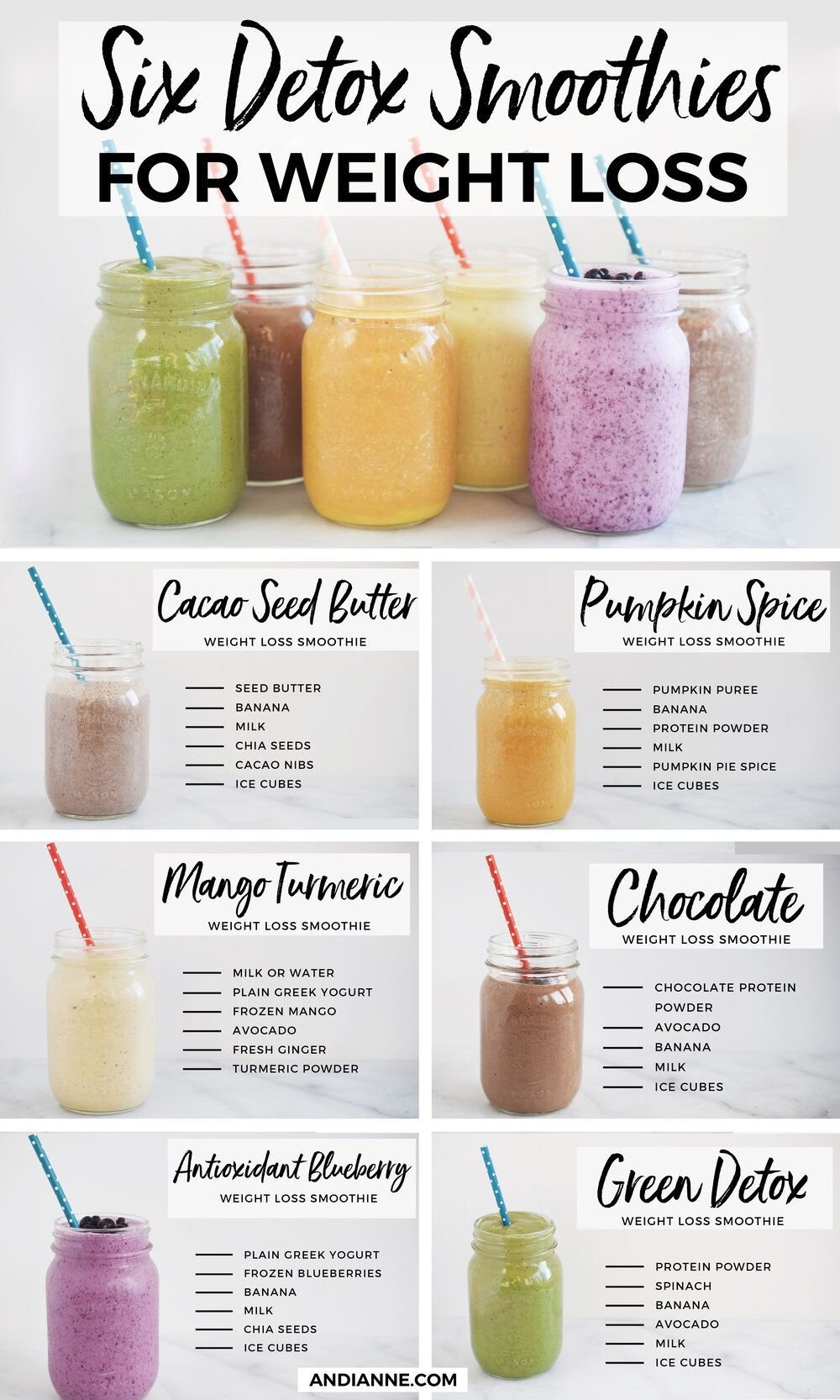
Example Recipe: Berry Blast Slimming Shake
- 1 scoop protein powder (vanilla or unflavored)
- 1 cup unsweetened almond milk
- 1/2 cup mixed berries (frozen)
- 1 tablespoon chia seeds
- 1 handful fresh spinach
- Ice (optional)
- Blend until smooth.
IX. Beyond the Shake: The Holistic Approach to "Quick" Weight Loss
While slimming shakes can offer a fast start, true "quick weight loss" that is sustainable requires a holistic approach:
- Mindful Eating: Pay attention to your hunger and fullness cues. Eat slowly and savor your meals.
- Stress Management: High stress levels can lead to increased cortisol, which promotes fat storage. Incorporate stress-reducing activities like meditation, yoga, or spending time in nature.
- Adequate Sleep: Lack of sleep disrupts hormones that regulate appetite (ghrelin and leptin), making you hungrier and more prone to cravings. Aim for 7-9 hours of quality sleep per night.
- Consistency: Weight loss is not a linear journey. Consistency in your diet, exercise, and lifestyle habits will yield results over time.
- Patience and Realistic Expectations: While shakes can provide quick initial results, significant, healthy weight loss takes time. Celebrate small victories and focus on long-term health rather than just the number on the scale.
X. Conclusion
Slimming shakes can be a powerful tool for quick weight loss, offering unparalleled convenience, precise calorie control, and essential nutrient delivery. They are particularly effective for kickstarting a weight loss journey, simplifying meal preparation, and managing hunger. However, their success lies not just in choosing the "best" shake but in integrating them into a comprehensive strategy that includes a balanced diet of whole foods, regular physical activity, adequate sleep, and mindful eating habits.
By carefully selecting shakes that prioritize high-quality protein, fiber, and essential micronutrients, and by using them as a bridge to a healthier lifestyle rather than a permanent solution, individuals can harness their potential for rapid and, crucially, sustainable weight loss, paving the way for a healthier and more energetic life.
Disclaimer: This article provides general information and is not a substitute for professional medical advice. Always consult with a qualified healthcare provider or registered dietitian before starting any new diet plan, especially for rapid weight loss, or if you have any pre-existing health conditions. Individual results may vary.