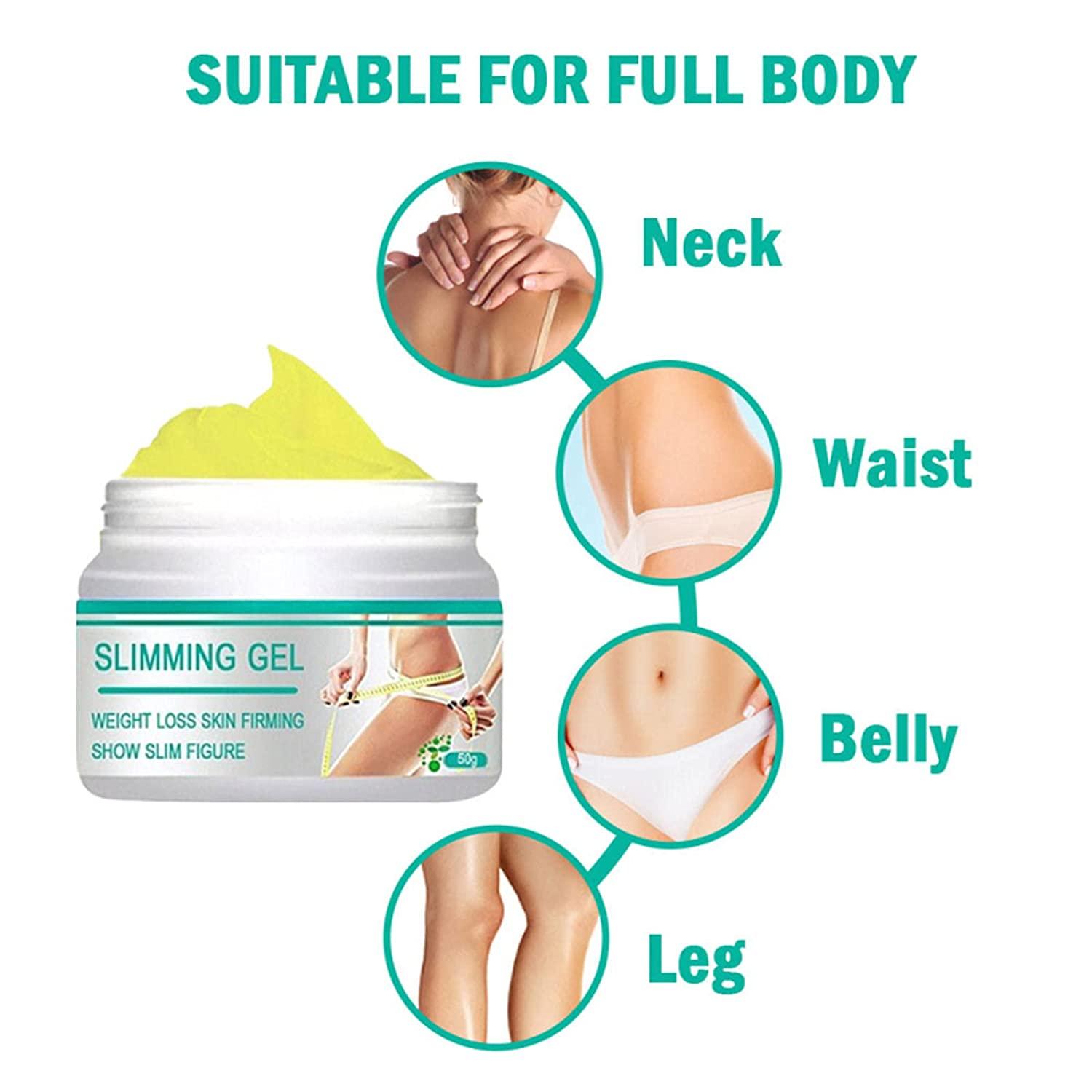
Absolutely! Here’s a comprehensive article on slimming gel for cellulite reduction, aiming for a length of 2000 words.
The Dimple Dilemma: Unveiling the Science and Promise of Slimming Gels for Cellulite Reduction
Cellulite – the bane of beach season, the frustration of fashion, and a widespread cosmetic concern that affects an estimated 80-90% of post-pubertal women across all body types and weights. Characterized by a dimpled, "orange peel" or "cottage cheese" appearance, primarily on the thighs, buttocks, and abdomen, cellulite is more than just excess fat. It’s a complex structural issue that has spawned an entire industry of solutions, from invasive procedures to topical creams. Among the most popular non-invasive options are slimming gels, promising a smoother, firmer, and more toned look.
But what exactly is cellulite, and how do these seemingly magical gels claim to tackle it? This comprehensive article will delve into the anatomy of cellulite, explore the mechanisms and key ingredients of slimming gels, examine the scientific evidence supporting their use, and provide a realistic perspective on their efficacy, limitations, and how they fit into a holistic approach to body confidence.
Understanding the Enemy: What Exactly is Cellulite?
Before we can understand how slimming gels work, it’s crucial to grasp what cellulite is at its core. Cellulite is not simply fat. It’s a condition involving the interaction between fat cells (adipocytes) in the hypodermis (the deepest layer of skin) and the connective tissue bands (septae) that tether the skin to underlying muscle.
The Anatomy of the Dimple:
Imagine a mattress. The fat cells are like the stuffing, and the connective tissue bands are like the tufts that pull the mattress surface down.
- Fat Cells (Adipocytes): These cells store fat. When they enlarge, they push outwards against the skin.
- Connective Tissue Septae: These fibrous bands are made primarily of collagen. In women, these septae are often arranged vertically, like pillars. In men, they tend to be arranged in a criss-cross pattern, which helps explain why cellulite is far less common in males.
- Microcirculation and Lymphatic Drainage: Poor blood flow and sluggish lymphatic drainage can lead to fluid retention and accumulation of toxins, exacerbating the appearance of cellulite.
- Skin Elasticity: As skin ages, it loses collagen and elastin, becoming thinner and less elastic. This makes the underlying fat bulges and fibrous bands more apparent.
Factors Contributing to Cellulite Formation:
While not fully understood, a combination of factors is believed to contribute to cellulite:
- Genetics: Heredity plays a significant role in predisposition to cellulite, influencing skin structure, fat distribution, and metabolic rate.
- Hormonal Factors: Hormones, particularly estrogen, are thought to be key players. Estrogen influences blood flow, fat storage, and collagen production. This is why cellulite often appears or worsens during puberty, pregnancy, and with hormone replacement therapy.
- Diet: A diet high in processed foods, unhealthy fats, and refined carbohydrates can contribute to inflammation, fluid retention, and increased fat storage.
- Lifestyle:
- Lack of Physical Activity: Sedentary lifestyles can impair circulation and lymphatic flow, leading to fat accumulation and weakened muscle tone.
- Smoking: Smoking impairs blood flow and damages collagen, making skin less elastic.
- Stress: Stress can lead to an increase in cortisol, which may contribute to fat storage and inflammation.
- Age: As we age, skin naturally loses elasticity and collagen, making the appearance of cellulite more prominent.
Understanding these underlying mechanisms is crucial for evaluating the potential efficacy of any cellulite treatment, including topical gels.
The Promise in a Pot: What Are Slimming Gels?
Slimming gels, often marketed as anti-cellulite creams, lotions, or serums, are topical formulations designed to be applied directly to areas affected by cellulite. Unlike invasive procedures, they offer a convenient, pain-free, and relatively affordable option for those seeking to improve the appearance of their skin.
These gels typically contain a blend of active ingredients, each chosen for its purported ability to address one or more of the factors contributing to cellulite: fat accumulation, poor circulation, fluid retention, and weakened connective tissue. The texture of these products can vary from light, fast-absorbing gels to richer creams, but the "gel" nomenclature often implies a lighter, non-greasy feel.
The Claimed Mechanisms: How Do Slimming Gels Work?
Slimming gels don’t magically melt away fat or fundamentally alter the structure of your connective tissue in the same way surgical procedures might. Instead, their proposed mechanisms of action are multi-faceted and aim to improve the appearance of cellulite by:
- Stimulating Lipolysis (Fat Breakdown): Many ingredients in slimming gels are designed to encourage the breakdown of fat stored within adipocytes. By shrinking the size of these fat cells, the outward bulging that contributes to the dimpled appearance is reduced.
- Improving Microcirculation: Enhanced blood flow to the affected areas can help deliver oxygen and nutrients, remove waste products, and reduce fluid retention. Better circulation can also contribute to healthier, more resilient skin.
- Promoting Lymphatic Drainage: The lymphatic system is responsible for removing excess fluid, toxins, and waste from tissues. Sluggish lymphatic drainage can contribute to the "puffy" appearance of cellulite. Some ingredients aim to stimulate this process, reducing swelling and smoothing the skin.
- Strengthening Connective Tissue and Improving Skin Elasticity: Certain ingredients can stimulate collagen and elastin production, which are vital for strong, firm skin. Thicker, more elastic skin can better camouflage the underlying fat bulges and fibrous bands.
- Reducing Inflammation: Chronic inflammation can contribute to the degradation of connective tissue. Some ingredients possess anti-inflammatory properties that may help maintain skin health.
- Dehydration Reduction (Topical Effect): While not a primary mechanism for cellulite reduction, some gels include ingredients that temporarily draw out excess fluid from the skin’s surface, creating a fleeting smoothing effect. This is more of a cosmetic illusion than a structural change.
It’s important to note that these mechanisms are often synergistic, meaning multiple ingredients work together to achieve a more comprehensive effect.
Key Ingredients and Their Roles: The Power Players in Slimming Gels
The effectiveness of a slimming gel largely hinges on its active ingredients. Here are some of the most commonly found and researched compounds:
-
Caffeine:
- Role: The undisputed king of anti-cellulite ingredients. Caffeine is a stimulant that can penetrate the skin and activate enzymes that break down fat (lipolysis) within adipocytes. It also has vasoconstrictive properties, meaning it temporarily tightens blood vessels, which can reduce swelling and improve the appearance of skin tone.
- Mechanism: Inhibits phosphodiesterase, an enzyme that normally breaks down cyclic AMP (cAMP). Increased cAMP levels promote lipolysis. It also acts as a diuretic, helping to reduce fluid retention in tissues.
-
Retinoids (Retinol, Retinyl Palmitate):
- Role: Derivatives of Vitamin A, known for their powerful anti-aging properties.
- Mechanism: Retinoids stimulate collagen production, thicken the epidermis, and improve skin elasticity. By strengthening the skin’s structure, they can make the dimpled appearance of cellulite less noticeable. They also enhance cell turnover, leading to smoother skin.
-
L-Carnitine:
- Role: An amino acid derivative involved in the transport of fatty acids into the mitochondria, where they are burned for energy.
- Mechanism: While primarily effective when ingested, topical L-carnitine is theorized to aid in fat metabolism and reduce lipid accumulation in fat cells. Its topical efficacy is still debated but it’s a common ingredient.
-
Botanical Extracts: A wide array of plant-derived ingredients are used for their various benefits:
- Green Tea Extract (Camellia Sinensis): Rich in antioxidants (polyphenols, catechins), particularly EGCG.
- Mechanism: Acts as a potent antioxidant, protecting skin cells from damage. Some studies suggest it may also have lipolytic effects and improve microcirculation.
- Ginkgo Biloba:
- Mechanism: Known for its ability to improve blood circulation and strengthen capillary walls, which can reduce fluid leakage and swelling. It also has antioxidant properties.
- Horse Chestnut (Aesculus Hippocastanum): Contains aescin.
- Mechanism: Traditionally used for venous insufficiency, it helps strengthen blood vessels, reduce capillary fragility, and decrease fluid retention and swelling, thereby improving microcirculation.
- Centella Asiatica (Gotu Kola): Contains triterpenes like asiaticoside, madecassoside.
- Mechanism: Promotes collagen synthesis, improves skin elasticity, and has anti-inflammatory properties. It also aids in microcirculation and wound healing.
- Ivy (Hedera Helix):
- Mechanism: Contains saponins which are believed to help reduce swelling and improve lymphatic drainage.
- Bladderwrack (Fucus Vesiculosus): A type of seaweed.
- Mechanism: Rich in iodine, which is thought to stimulate metabolism, and also contains polysaccharides that can improve skin hydration and elasticity.
- Green Tea Extract (Camellia Sinensis): Rich in antioxidants (polyphenols, catechins), particularly EGCG.
-
Peptides:
- Role: Short chains of amino acids that can signal cells to perform specific functions.
- Mechanism: Certain peptides are designed to stimulate collagen and elastin production, leading to firmer, more resilient skin. Others may have lipolytic effects or improve lymphatic flow.
-
Hyaluronic Acid (HA):
- Role: A powerful humectant, meaning it attracts and holds water.
- Mechanism: While not directly targeting cellulite, HA significantly improves skin hydration, plumpness, and elasticity, which can make the skin appear smoother and reduce the visibility of dimples.
-
Essential Oils (e.g., Grapefruit, Juniper, Rosemary):
- Role: Often included for their aromatic properties and potential therapeutic effects.
- Mechanism: Some essential oils are believed to stimulate circulation, promote detoxification, and have diuretic properties, potentially aiding in fluid reduction and skin toning. They also contribute to the sensory experience of the product.
Application Techniques for Maximum Efficacy
The way you apply a slimming gel can significantly impact its perceived effectiveness. Consistent and proper application is key:
- Clean Skin: Always apply to clean, dry skin to ensure maximum absorption of active ingredients.
- Generous Amount: Use enough product to cover the affected area thoroughly.
- Massage, Massage, Massage: This is perhaps the most crucial step. Vigorous massage helps to:
- Increase blood flow and microcirculation in the area.
- Stimulate lymphatic drainage, reducing fluid retention.
- Help the active ingredients penetrate deeper into the skin.
- Break up fibrous bands and fatty deposits (though this effect is limited by topical application).
- You can use circular motions, kneading, or upward strokes, applying firm pressure for several minutes until the gel is fully absorbed.
- Consistency: For best results, most manufacturers recommend applying the gel once or twice daily, every day, for at least 4-8 weeks to see noticeable improvements. Cellulite is a persistent condition, and so must be your treatment approach.
- Timing: Applying after a warm shower or bath can be beneficial as the skin’s pores are open, potentially enhancing absorption.
The Benefits of Using Slimming Gels
For many, slimming gels offer several compelling advantages:
- Non-Invasive: They are a pain-free alternative to surgical procedures or more aggressive treatments.
- Convenience: Easily integrated into a daily skincare routine.
- Affordability: Generally much less expensive than professional treatments.
- Improved Skin Texture and Tone: Even if they don’t eliminate cellulite, many users report a noticeable improvement in skin hydration, firmness, and overall smoothness.
- Psychological Boost: Taking proactive steps to address a cosmetic concern can boost self-confidence and body image.
- Temporary Visual Improvement: For some, they can provide a temporary tightening and smoothing effect, which can be beneficial for special occasions.
Limitations and Realistic Expectations: The Hard Truths
While promising, it’s vital to approach slimming gels with realistic expectations. They are not a miracle cure and have significant limitations:
- Temporary Effects: Any visible improvements are typically temporary and require continuous use. Once you stop applying the gel, the cellulite is likely to revert to its previous appearance.
- Surface-Level Impact: Topical gels primarily work on the upper layers of the skin. They cannot penetrate deeply enough to fundamentally alter the underlying fibrous septae or significantly reduce large fat deposits.
- Not a "Cure": Cellulite is a complex structural issue. Gels can improve its appearance but cannot eliminate it entirely.
- Individual Variability: Results vary widely among individuals. Factors like the severity of cellulite, skin type, genetics, and adherence to a healthy lifestyle all play a role.
- No Substitute for Lifestyle: No gel can counteract the effects of an unhealthy diet, lack of exercise, or sedentary lifestyle.
- Limited Scientific Evidence: While individual ingredients may have some supporting studies (often in-vitro or small-scale human trials), robust, large-scale, placebo-controlled clinical trials proving the overall efficacy of specific multi-ingredient slimming gels are often lacking. Many studies are funded by manufacturers, which can raise questions about bias.
The Science Behind the Claims: What Does Research Say?
The scientific community holds a cautious stance on the efficacy of topical slimming gels for cellulite reduction. Here’s a summary of the general consensus:
- Ingredient-Specific Studies: There is some evidence supporting the mechanisms of individual ingredients like caffeine (for lipolysis and microcirculation) and retinoids (for collagen production).
- Formulation Challenges: The challenge lies in getting these active ingredients to penetrate the skin barrier in sufficient concentrations to reach the target tissues (fat cells and connective tissue in the hypodermis). Skin is designed to keep things out.
- Depth of Penetration: Most topical applications have limited penetration depth. While they can affect the epidermis and superficial dermis, reaching the hypodermis where the core of cellulite lies is difficult.
- Combination Therapies: Most positive anecdotal or small-scale study results for topical treatments often involve a combination of ingredients, suggesting a synergistic effect.
- Methodological Limitations: Studies are often small, lack rigorous control groups, or use subjective measures of improvement (e.g., visual assessment by participants or researchers). Objective measurements (e.g., ultrasound to measure skin thickness or fat layer) are less common.
In essence, while the theoretical mechanisms are plausible for some ingredients, the practical efficacy of delivering these ingredients effectively to the target areas and achieving significant, lasting cellulite reduction through topical application alone remains a subject of ongoing research and debate.
A Holistic Approach: Complementary Strategies for Cellulite Reduction
For the most noticeable and lasting improvements in cellulite appearance, slimming gels should be viewed as one component of a broader, holistic strategy. Combining them with lifestyle modifications amplifies their potential benefits:
- Healthy Diet:
- Hydration: Drink plenty of water. Proper hydration keeps skin supple and helps reduce fluid retention.
- Whole Foods: Focus on fruits, vegetables, lean proteins, and whole grains. These provide essential nutrients, antioxidants, and fiber.
- Limit Processed Foods: Reduce intake of sugar, unhealthy fats, and excessive sodium, which can contribute to inflammation, fat storage, and fluid retention.
- Regular Exercise:
- Strength Training: Builds muscle, which can make the skin appear firmer and smoother over the underlying muscle.
- Cardiovascular Exercise: Improves circulation, burns calories, and can help reduce overall body fat, making cellulite less noticeable.
- Manual Massage and Dry Brushing:
- Mechanism: These techniques stimulate blood flow, encourage lymphatic drainage, and can temporarily break up fluid and fat deposits. They also exfoliate the skin, improving its texture.
- Professional Treatments (Consider if Gels Aren’t Enough): For more significant and longer-lasting results, various in-office procedures are available, though they are more expensive and may involve downtime:
- Cellfina, Qwo: Subcision techniques that release fibrous bands.
- Laser and Radiofrequency (RF) Treatments: Heat energy to tighten skin, stimulate collagen, and sometimes target fat.
- Acoustic Wave Therapy (Shockwave Therapy): Uses sound waves to improve circulation and stimulate collagen.
- Vacuum-Assisted Massage (Endermologie): Combines massage and suction to improve circulation and lymphatic drainage.
- Stress Management: High stress levels can lead to increased cortisol, which may influence fat storage. Practices like yoga, meditation, or deep breathing can help.
- Avoid Smoking: Smoking damages collagen and reduces blood flow, worsening cellulite.
Choosing the Right Slimming Gel: What to Look For
With countless options on the market, choosing a slimming gel can be daunting. Consider these factors:
- Active Ingredients: Look for products that list a good concentration of the key ingredients discussed (Caffeine, Retinoids, powerful botanical extracts). Ingredient lists are ordered by concentration, so active ingredients should be high up.
- Reputation and Reviews: Research reputable brands and read reviews from other users. Look for consistent positive feedback regarding skin texture and firmness.
- Formulation: Consider your skin type. Gels are often preferred for oily skin, while creams might suit drier skin.
- Scent and Texture: Since you’ll be applying it regularly, choose a product with a pleasant scent and texture that you don’t mind using.
- Price vs. Value: More expensive doesn’t always mean better. Compare ingredient lists and concentrations.
- Patch Test: Always perform a patch test on a small area of skin before applying widely to check for any allergic reactions or irritation.
Safety and Side Effects
Slimming gels are generally safe for topical use. However, potential side effects can include:
- Skin Irritation: Redness, itching, or stinging, especially with ingredients like retinoids or certain essential oils.
- Allergic Reactions: Rash or hives, particularly if you have sensitive skin or allergies to specific plant extracts.
- Caffeine Sensitivity: While rare topically, some very sensitive individuals might experience mild systemic effects from high concentrations of caffeine.
It’s always advisable to consult with a dermatologist or healthcare professional, especially if you have sensitive skin, existing skin conditions, or are pregnant or breastfeeding.
The Future of Cellulite Treatments
Research into cellulite and its treatments is ongoing. The future likely holds:
- More Potent and Targeted Formulations: Advanced delivery systems (e.g., nanoparticles, liposomes) to enhance ingredient penetration.
- Combination Products: Gels specifically designed to work synergistically with at-home devices (e.g., massagers, microcurrent devices) or professional treatments.
- Deeper Understanding of Cellulite Pathophysiology: Leading to more precise and effective treatments that target the root causes.
Conclusion: A Realistic Path to Smoother Skin
Slimming gels for cellulite reduction represent a convenient and non-invasive option for those looking to improve the appearance of dimpled skin. They work by targeting various factors contributing to cellulite, primarily by stimulating fat breakdown, enhancing circulation, reducing fluid retention, and improving skin elasticity. Key ingredients like caffeine, retinoids, and a host of botanical extracts play crucial roles in these mechanisms.
However, it is paramount to maintain realistic expectations. These gels are not magic bullet solutions. They cannot permanently eliminate cellulite or substitute for a healthy lifestyle. Their effects are typically temporary and require consistent use. For optimal results, slimming gels should be integrated into a comprehensive approach that includes a balanced diet, regular exercise, adequate hydration, and potentially professional treatments for more significant concerns.
Ultimately, while the quest for perfectly smooth skin continues, slimming gels offer a promising avenue for many seeking a noticeable improvement in skin texture and firmness, contributing to enhanced body confidence and well-being. By understanding their science, managing expectations, and embracing a holistic approach, individuals can make informed choices on their journey to smoother, more radiant skin.