Safe Slimming Products for Daily Use: Navigating the Path to Sustainable Weight Management
In a world increasingly focused on health, wellness, and aesthetic ideals, the desire for effective weight management solutions has never been more pervasive. From social media trends to traditional advertising, the promise of a leaner, healthier body is constantly echoed. This pervasive yearning often leads individuals to explore a vast and sometimes bewildering array of "slimming products." While the market is flooded with quick fixes and miraculous claims, the crucial question that often gets overlooked is: are these products safe for daily, long-term use?
This article aims to provide a comprehensive guide to understanding safe slimming products for daily use. It delves into what "safe" truly means in the context of weight loss, explores various categories of products that might offer gentle support, and, most importantly, emphasizes that no product can replace the foundational pillars of a healthy lifestyle. Our goal is to empower you with knowledge to make informed, health-conscious choices on your journey towards sustainable weight management.
The Allure and Pitfalls of Weight Loss Products
The appeal of a pill or powder that effortlessly melts away pounds is undeniable. For many, the traditional path of diet and exercise can feel daunting, slow, or difficult to sustain amidst demanding modern lives. This creates a fertile ground for the proliferation of weight loss supplements, many of which promise rapid, dramatic results with minimal effort.
However, this lucrative market is also a minefield of misinformation, unregulated products, and potentially dangerous substances. Countless products have been pulled from shelves due to undisclosed ingredients, harmful stimulants, laxatives, diuretics, or even prescription drugs that pose severe health risks, including heart problems, liver damage, and psychological distress. The term "slimming product" itself often carries a negative connotation due to this history of unsafe practices.
Therefore, the paramount consideration when exploring any weight loss aid is safety. True safety means not just the absence of immediate harm, but also the assurance that the product supports overall health without compromising long-term well-being.
Defining "Safe" in Weight Loss Products
When we talk about "safe slimming products for daily use," we are referring to items that meet several critical criteria:
- Evidence-Based: Their efficacy (even if modest) and safety profile are supported by scientific research, not just anecdotal claims or marketing hype.
- Minimal Side Effects: They should cause few to no significant adverse reactions when used as directed. Any potential side effects should be mild and well-understood.
- Transparent Ingredients: All ingredients should be clearly listed, and there should be no "proprietary blends" hiding potentially harmful substances.
- Quality and Purity: Products should come from reputable manufacturers with strict quality control, ideally third-party tested for purity and potency (absence of contaminants, accurate dosage).
- Non-Addictive: They should not create physical or psychological dependence.
- Supportive, Not Substitutive: They should be understood as aids that support a healthy lifestyle, not replacements for balanced nutrition, regular physical activity, or professional medical advice.
- Doctor-Approved: For daily use, especially if you have underlying health conditions or are taking other medications, consultation with a healthcare professional is non-negotiable.
It’s crucial to set realistic expectations. There is no "magic bullet" for weight loss. Safe slimming products, if they work at all, typically offer modest support by targeting specific aspects of weight management, such as satiety, metabolism, or nutrient absorption. They are tools, not solutions.
Categories of Potentially Safe Slimming Products (with Caveats)
Let’s explore some categories of products that are generally considered safer for daily use, keeping in mind that "safe" does not equal "miraculous" or "risk-free." Always consult a healthcare professional before starting any new supplement regimen.
1. Fiber Supplements
- Mechanism: Soluble fibers absorb water in the digestive tract, forming a gel-like substance that slows digestion, promotes feelings of fullness (satiety), and can help regulate blood sugar levels. This can naturally lead to reduced calorie intake.
- Examples:
- Psyllium Husk: A common source of soluble fiber. Can be found in powder form to mix with water or as capsules.
- Glucomannan: A natural, water-soluble dietary fiber extracted from the konjac plant. It’s highly viscous and expands significantly in the stomach, promoting fullness.
- Safety for Daily Use: Generally very safe. Common side effects include mild bloating, gas, or constipation if not enough water is consumed. Start with small doses and gradually increase.
- Effectiveness: Modest, primarily by increasing satiety and improving digestive health.
- Caveats: Adequate water intake is essential to prevent blockages. Can interfere with the absorption of some medications if taken simultaneously.
2. Green Tea Extract (EGCG)
- Mechanism: Green tea contains catechins, particularly epigallocatechin gallate (EGCG), and caffeine. These compounds are believed to mildly boost metabolism and increase fat oxidation.
- Safety for Daily Use: Generally safe in moderate doses. High doses can lead to liver toxicity in susceptible individuals, though this is rare. Caffeine content can cause jitters, sleep disturbances, or heart palpitations in sensitive individuals.
- Effectiveness: Modest. Studies show a small increase in calorie expenditure and fat burning, but results vary widely among individuals.
- Caveats: Choose decaffeinated versions if caffeine sensitive. Look for standardized extracts. Avoid if you have liver issues.
3. Protein Powders (Meal Replacements & Satiety Aids)
- Mechanism: Protein is highly satiating, meaning it helps you feel fuller for longer, reducing overall calorie intake. It also helps preserve lean muscle mass during weight loss, which is crucial for maintaining metabolism. Protein meal replacement shakes can provide a controlled calorie and nutrient intake.
- Examples: Whey, casein, soy, pea, rice, hemp protein powders.
- Safety for Daily Use: Generally very safe for healthy individuals. Ensure you’re not allergic to the protein source.
- Effectiveness: Effective for satiety and muscle preservation, which indirectly supports weight loss. Meal replacement shakes, when used as part of a structured plan, can be effective for initial weight loss.
- Caveats: Not all protein powders are created equal; check for added sugars, artificial sweeteners, or unnecessary fillers. Should not completely replace whole food meals long-term.
4. Probiotics
- Mechanism: Emerging research suggests a link between gut microbiome health and weight management. Probiotics (beneficial bacteria) can influence metabolism, inflammation, and even appetite-regulating hormones.
- Safety for Daily Use: Generally very safe. Mild digestive upset (gas, bloating) can occur initially.
- Effectiveness: Research is still ongoing and complex. While some studies show promising links, probiotics are not a direct "slimming product" but rather a tool to support overall gut health, which may indirectly influence weight.
- Caveats: Choose high-quality, diverse strains. Effects can be highly individual.
5. Conjugated Linoleic Acid (CLA)
- Mechanism: CLA is a type of omega-6 fatty acid found naturally in meat and dairy. It’s marketed as a fat-burning and muscle-building supplement.
- Safety for Daily Use: Generally considered safe in recommended doses. Side effects can include digestive upset (nausea, diarrhea).
- Effectiveness: Studies show mixed and often modest results for weight loss in humans. Some indicate a small reduction in body fat over long periods.
- Caveats: Effectiveness is often less dramatic than marketing claims. May interact with blood-thinning medications.
6. Apple Cider Vinegar (ACV)
- Mechanism: Some theories suggest ACV can aid weight loss by promoting satiety, regulating blood sugar levels, and potentially affecting fat metabolism.
- Safety for Daily Use: Generally safe when diluted. Undiluted ACV can erode tooth enamel and irritate the esophagus.
- Effectiveness: Limited human studies show modest effects on satiety and blood sugar control, which could indirectly support weight management. It’s not a powerful weight loss agent.
- Caveats: Always dilute ACV before consumption. Can interact with certain medications (e.g., diuretics, insulin).
7. Omega-3 Fatty Acids (Fish Oil)
- Mechanism: While not directly a "slimming" product, Omega-3s (EPA and DHA) are crucial for overall health, reducing inflammation, and supporting metabolic function. Some research suggests they may indirectly aid weight management by improving insulin sensitivity and satiety.
- Safety for Daily Use: Generally very safe. High doses can thin the blood.
- Effectiveness: Primarily for overall health benefits; any weight loss effect is indirect and modest.
- Caveats: Choose high-quality, purified supplements to avoid heavy metals.
8. Caffeine (with Caution)
- Mechanism: Caffeine is a stimulant that can temporarily boost metabolism, increase fat oxidation, and suppress appetite.
- Safety for Daily Use: Generally safe in moderate doses (e.g., 200-400 mg/day for most adults). Excessive intake leads to jitters, anxiety, insomnia, increased heart rate, and digestive upset. Tolerance can develop.
- Effectiveness: Modest, temporary effect on metabolism. Not a standalone weight loss solution.
- Caveats: Avoid if you have heart conditions, anxiety disorders, or sleep issues. Not suitable for everyone. Often found in multi-ingredient "fat burners," which carry more risks.
9. Topical Creams and Devices
- Mechanism: These often claim to reduce cellulite or "melt fat" through ingredients like caffeine, retinol, or massage. Devices might use heat, vibration, or electrical stimulation.
- Safety for Daily Use: Generally safe externally, though skin irritation or allergic reactions are possible. Devices should be used strictly according to instructions.
- Effectiveness: Highly questionable for actual fat loss. Most effects are superficial (e.g., temporary skin tightening, improved circulation) and do not address underlying fat deposits.
- Caveats: Do not expect significant weight loss. More cosmetic than truly slimming.
The Foundational Pillars of Safe and Sustainable Slimming
It cannot be stressed enough: no slimming product, no matter how "safe," can replace the fundamental principles of a healthy lifestyle. These pillars are the true drivers of sustainable weight management and overall well-being. Any product should only be considered as a support to these efforts.
-
Balanced, Nutrient-Dense Diet:
- Focus on whole, unprocessed foods: fruits, vegetables, lean proteins, whole grains, and healthy fats.
- Practice portion control and mindful eating.
- Prioritize adequate protein and fiber for satiety.
- Limit refined sugars, unhealthy fats, and highly processed foods.
- Create a sustainable, moderate calorie deficit.
-
Regular Physical Activity:
- Combine cardiovascular exercise (e.g., brisk walking, jogging, cycling) with strength training (e.g., lifting weights, bodyweight exercises).
- Aim for at least 150 minutes of moderate-intensity aerobic activity or 75 minutes of vigorous-intensity activity per week, plus two or more days of muscle-strengthening activities.
- Find activities you enjoy to ensure consistency.
-
Adequate Sleep:
- Poor sleep disrupts hormones that regulate appetite (ghrelin and leptin), increases cortisol (stress hormone), and reduces energy for exercise.
- Aim for 7-9 hours of quality sleep per night.
-
Stress Management:
- Chronic stress can lead to increased cortisol levels, which promotes fat storage (especially around the abdomen) and can trigger emotional eating.
- Incorporate stress-reducing practices like meditation, yoga, deep breathing, hobbies, or spending time in nature.
-
Hydration:
- Drinking plenty of water is essential for metabolism, digestion, and overall health.
- Sometimes, thirst is mistaken for hunger. Drinking water before meals can also promote satiety.
-
Professional Guidance:
- Consult a doctor or a registered dietitian before embarking on any significant weight loss journey or starting new supplements. They can assess your individual health needs, identify underlying conditions, check for medication interactions, and help create a personalized, safe, and effective plan.
- A doctor can also rule out medical conditions that might be hindering weight loss.
How to Choose and Use Safe Products (If You Choose To)
If, after consulting with a healthcare professional, you decide to incorporate a potentially safe slimming product into your routine, here’s how to approach it:
-
Do Your Research:
- Look for products with ingredients supported by scientific studies from reputable sources (e.g., PubMed, NIH).
- Be skeptical of exaggerated claims or "miracle" solutions.
-
Read Labels Carefully:
- Check the ingredient list for transparency. Avoid "proprietary blends" where specific ingredient amounts aren’t disclosed.
- Note the dosage instructions and do not exceed them.
- Look for certifications (e.g., NSF Certified for Sport, USP Verified) indicating third-party testing for purity and quality.
-
Prioritize Reputable Brands:
- Choose established companies with a history of quality and positive customer reviews (not just on their own site, but independent ones).
- Look for clear contact information and good customer service.
-
Start Low, Go Slow:
- Begin with the lowest recommended dose to assess your body’s reaction.
- Introduce one new supplement at a time so you can identify any potential side effects.
-
Listen to Your Body:
- Pay attention to how you feel. Discontinue use immediately if you experience any adverse reactions.
- Remember that "natural" doesn’t automatically mean "safe" or "side-effect-free."
-
Manage Expectations:
- Understand that even the safest products offer only modest support. They are not substitutes for dietary changes and exercise.
- Sustainable weight loss is a marathon, not a sprint. Focus on gradual, consistent progress.
Products to Approach with Extreme Caution (Red Flags)
While this article focuses on safe products, it’s equally important to be aware of the red flags that indicate a potentially dangerous product:
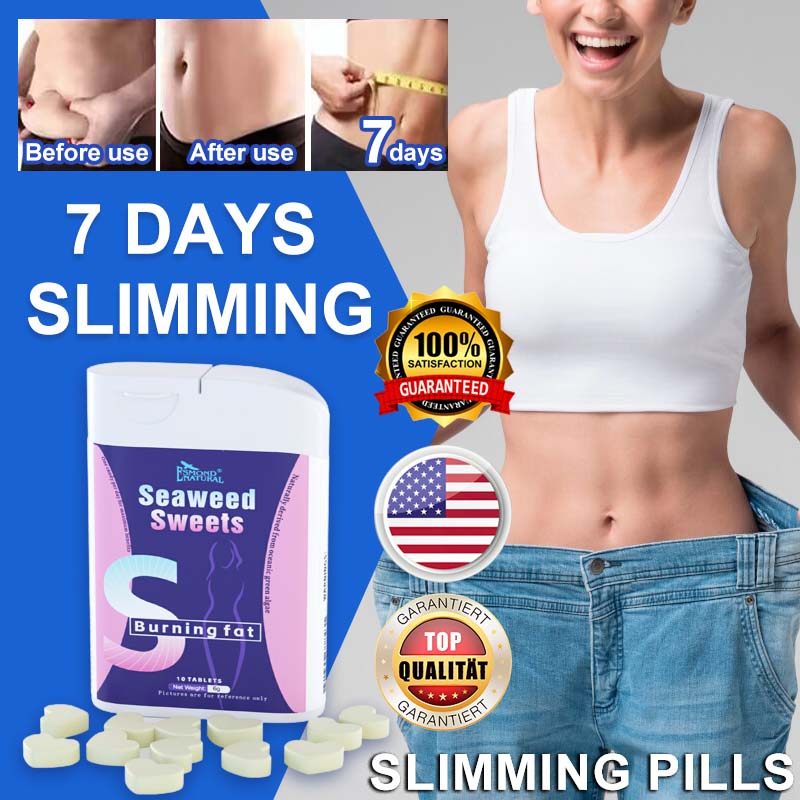
- Promises of rapid, effortless weight loss: "Lose 30 pounds in 30 days!"
- Claims of "secret" or "magical" ingredients: Often a cover for undisclosed, harmful substances.
- Proprietary blends with no individual ingredient amounts: You don’t know what you’re truly taking.
- Products marketed as "herbal Viagra" or for "sexual enhancement" that also claim weight loss: A common tactic to hide dangerous stimulants or prescription drugs.
- Products that cause extreme side effects: Severe jitters, heart palpitations, insomnia, stomach cramps, diarrhea.
- Products sold only through unverified online sources or social media: Without proper regulatory oversight.
- Products that sound too good to be true: They almost always are.
Conclusion: Safety First, Always
The journey to a healthier weight is deeply personal and complex. While the market offers a bewildering array of "slimming products," the vast majority are either ineffective, unsafe, or both. For those seeking truly "safe slimming products for daily use," the options are limited and primarily serve as modest aids to a comprehensive, health-focused lifestyle.
The real "safe slimming products" are not found in a bottle, but in the disciplined practice of balanced nutrition, consistent physical activity, adequate sleep, and effective stress management. These are the non-negotiable foundations for sustainable weight loss and overall well-being.
Before considering any supplement, engage in open and honest conversations with your healthcare provider. They are your most valuable resource in navigating the complexities of weight management, ensuring that your path to a healthier you is both effective and, most importantly, safe. Remember, true health is not just about the number on the scale, but about feeling good, having energy, and living a vibrant life – a goal best achieved through informed choices and a holistic approach.