The Allure and Reality of Slimming Products for Postpartum Weight Loss: A Comprehensive Guide
The journey of motherhood is transformative, bringing immense joy, profound love, and often, significant changes to a woman’s body. For many new mothers, the desire to "get their body back" after childbirth is a natural, albeit often pressured, aspect of their postpartum experience. While some embrace their new physique with confidence, others struggle with body image concerns, fueled by societal expectations and the pervasive imagery of celebrities "bouncing back" almost instantly. In this vulnerable state, the promise of quick fixes offered by slimming products can be incredibly appealing.
This comprehensive article delves into the world of slimming products marketed for postpartum weight loss, exploring their types, claimed benefits, potential risks, and the crucial scientific evidence (or lack thereof) supporting their efficacy. More importantly, it aims to empower new mothers with knowledge, encouraging them to prioritize their health, well-being, and a sustainable approach to recovery rather than falling prey to misleading claims.
Understanding the Postpartum Body: A Unique Landscape
Before discussing any weight loss interventions, it’s vital to understand that the postpartum body is not just a pre-pregnancy body with a few extra pounds. It has undergone a profound physiological transformation that requires time, patience, and nourishment for recovery.
- Hormonal Shifts: Pregnancy and childbirth trigger massive hormonal fluctuations. Progesterone and estrogen levels drop sharply after delivery, influencing mood, energy, and metabolism. Relaxin, a hormone that loosens ligaments during pregnancy, takes time to leave the system, affecting joint stability.
- Physical Recovery: The uterus needs to contract back to its original size, a process that can take weeks. The abdominal muscles may have separated (diastasis recti), and the pelvic floor muscles have endured immense strain. Healing from a C-section or vaginal tearing adds another layer of physical recovery.
- Sleep Deprivation and Stress: New mothers often experience severe sleep deprivation, which impacts hunger hormones (ghrelin and leptin), leading to increased appetite and cravings for high-calorie foods. Stress, too, can elevate cortisol levels, promoting fat storage, particularly around the abdomen.
- Breastfeeding Demands: For those who choose to breastfeed, their body becomes the sole source of nutrition for their newborn. While breastfeeding burns calories, it also increases nutritional demands, requiring adequate intake of nutrient-dense foods to support milk production and maternal health. Restrictive diets or certain supplements can compromise milk supply or pass harmful substances to the baby.
- Emotional Well-being: The emotional rollercoaster of new motherhood, including potential postpartum depression or anxiety, can significantly influence eating habits and motivation for physical activity.
Given these complex factors, a healthy, sustainable approach to postpartum weight loss must prioritize gradual progress, adequate nutrition, gentle activity, and ample rest, always under the guidance of healthcare professionals.
The Allure of Quick Fixes: Why Slimming Products Appeal
The appeal of slimming products is understandable. They promise:
- Speed: Rapid results without perceived effort.
- Convenience: Often pills, teas, or topical applications that fit easily into a busy schedule.
- Simplicity: A seemingly straightforward solution to a complex problem.
- Hope: A beacon for those feeling overwhelmed or dissatisfied with their body.
However, this appeal often masks a reality of questionable efficacy, significant health risks, and wasted money.
Categories of Slimming Products Marketed for Postpartum Weight Loss
Slimming products come in various forms, each with its own set of claims and potential concerns.
1. Oral Supplements and Pills
This is arguably the largest and most diverse category, often claiming to boost metabolism, suppress appetite, block fat/carbs, or detoxify the body.
- Fat Burners/Metabolism Boosters: These often contain stimulants like caffeine, green tea extract, guarana, or bitter orange (synephrine).
- Claimed Benefits: Increased energy, thermogenesis (burning more calories), enhanced fat oxidation.
- Reality: While some ingredients like caffeine can have a mild, temporary metabolic effect, this rarely translates to significant, sustainable fat loss. The "fat-burning" effect is often negligible compared to dietary changes and exercise.
- Risks: Jitters, anxiety, insomnia, increased heart rate, elevated blood pressure, gastrointestinal upset. For breastfeeding mothers, stimulants can pass into breast milk, affecting the baby (irritability, sleeplessness). Bitter orange is particularly concerning due to its stimulant properties and potential cardiovascular risks.
- Appetite Suppressants: Ingredients vary widely, from fiber (glucomannan) that creates a feeling of fullness to chemical compounds.
- Claimed Benefits: Reduced hunger, smaller portion sizes, fewer cravings.
- Reality: Fiber can aid satiety, but only as part of a balanced diet. Stronger chemical suppressants (often prescription-only or illegally included in supplements) carry serious side effects.
- Risks: Constipation, bloating (from fiber), or more severe issues like heart problems, mood changes, and addiction if they contain undeclared pharmaceutical ingredients. For breastfeeding, these are generally contraindicated due to unknown effects on the baby and potential impact on milk supply (if mother eats too little).
- Carb Blockers/Fat Blockers: Ingredients like white kidney bean extract (carb blocker) or chitosan (fat blocker).
- Claimed Benefits: Prevent absorption of carbohydrates or fats.
- Reality: Their efficacy is highly debatable, with most studies showing minimal to no significant impact on long-term weight loss.
- Risks: Gastrointestinal issues (gas, bloating, diarrhea), nutrient malabsorption (especially fat-soluble vitamins).
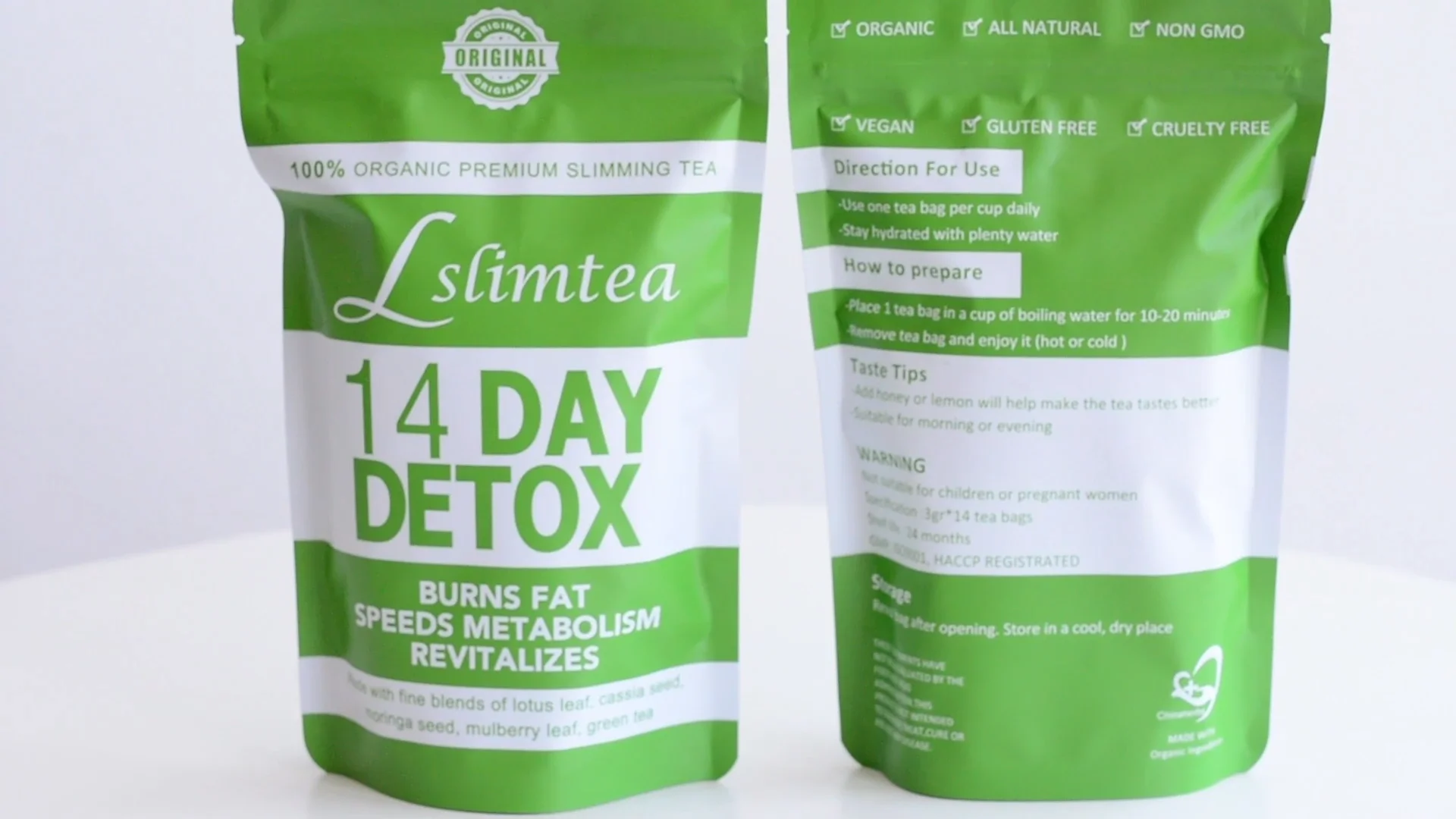
- "Detox" or "Cleanse" Pills/Teas: Often contain laxatives (senna, cascara sagrada) or diuretics.
- Claimed Benefits: Ridding the body of "toxins," leading to weight loss.
- Reality: The human body has efficient detoxification organs (liver, kidneys). These products cause temporary weight loss through water and stool expulsion, not fat loss.
- Risks: Dehydration, electrolyte imbalance, cramping, diarrhea, dependence on laxatives, damage to the digestive system with prolonged use. For breastfeeding, laxative ingredients can be transferred to the baby, causing diarrhea.
- Proprietary Blends: Many supplements list "proprietary blends" without specifying ingredient amounts. This makes it impossible to know what you’re consuming and in what dosage, increasing risk.
2. Topical Products (Creams, Gels, Wraps)
These products promise localized fat reduction or skin tightening.
- Slimming Creams/Gels: Often contain caffeine, various plant extracts, or other chemicals.
- Claimed Benefits: Reduce cellulite, firm skin, "melt" fat.
- Reality: At best, they might temporarily tighten the skin due to dehydration or mild inflammatory response, making the area appear smoother. They do not penetrate deeply enough to break down fat cells. Any "slimming" effect is purely cosmetic and fleeting.
- Risks: Skin irritation, allergic reactions, no actual fat loss.
- Body Wraps (Clay, Seaweed, "Detox" Wraps): Involve applying special creams or solutions to the body, then wrapping tightly.
- Claimed Benefits: Detoxification, inch loss, cellulite reduction.
- Reality: Any immediate "inch loss" is due to temporary fluid loss from sweating and compression, not fat reduction. The weight returns once you rehydrate. There’s no scientific basis for "detoxification" through skin wraps.
- Risks: Dehydration, overheating, skin irritation, claustrophobia, no lasting results.
3. Teas and "Detox" Drinks
Similar to oral supplements, but often marketed as more "natural."
- Slimming Teas: Typically contain laxative or diuretic ingredients.
- Claimed Benefits: Promote bowel movements, reduce bloating, "cleanse" the system.
- Reality: Cause water and stool loss, not fat loss.
- Risks: Dehydration, electrolyte imbalance, cramping, potential for long-term digestive issues, interference with medication absorption, and risks to breastfeeding babies.
- Meal Replacement Shakes/Bars: While not strictly "slimming products" in the same vein as pills, they are often marketed for rapid weight loss.
- Claimed Benefits: Portion control, convenience, specific calorie intake.
- Reality: Can be useful for short-term weight management in specific contexts, but often lack the full spectrum of nutrients needed by a postpartum woman, especially if breastfeeding. They are rarely sustainable long-term and don’t teach healthy eating habits.
- Risks: Nutrient deficiencies if relied upon too heavily, unsustainability, potential to negatively impact milk supply due to inadequate overall nutrient intake.
4. Compression Garments (Waist Trainers, Postpartum Binders)
These are worn externally to provide support and shape.
- Claimed Benefits: "Shrink" the waist, provide abdominal support, improve posture, help with diastasis recti.
- Reality: Postpartum binders can provide excellent abdominal and back support, reduce swelling, and help with pain management, especially after a C-section. They can also offer comfort and a feeling of "holding everything in." However, they do NOT burn fat, reshape bones, or permanently reduce waist size. "Waist trainers" worn too tightly can be dangerous.
- Risks: If too tight, they can cause digestive issues (heartburn, constipation), restrict breathing, weaken core muscles over time (by doing the work the muscles should be doing), and potentially worsen pelvic floor dysfunction or prolapse by increasing intra-abdominal pressure. They offer no direct fat loss benefit. For diastasis recti, proper physical therapy and targeted exercises are far more effective than compression alone.
Safety Concerns and Red Flags, Especially for Postpartum Women
The overarching concern with slimming products, particularly for new mothers, is safety.
- Lack of Regulation: The supplement industry is largely unregulated by agencies like the FDA in many countries. Products can contain undisclosed ingredients, contaminants, or dosages far exceeding what’s safe.
- Unknown Effects on Breastfeeding: Many ingredients in slimming products have not been studied for their effects on breast milk or the nursing infant. Stimulants, laxatives, and other chemicals can pass into breast milk, potentially causing irritability, digestive upset, dehydration, or more serious harm to the baby. This is a critical contraindication.
- Drug Interactions: Slimming products can interact dangerously with prescription medications, including those for pain, depression, or pre-existing conditions.
- Underlying Health Issues: Postpartum women may have new or exacerbated health conditions (e.g., anemia, thyroid issues, blood pressure fluctuations). Introducing unproven supplements can complicate diagnosis and treatment.
- Psychological Impact: When these products inevitably fail to deliver on their promises, they can lead to increased frustration, disappointment, and worsening body image issues, potentially contributing to anxiety or depression.
- Cost: These products are often expensive, draining resources that could be better spent on nutritious food or professional healthcare support.
Red Flags to Watch Out For:
- "Miracle" claims: Any product promising rapid, effortless weight loss is a scam.
- "Secret ingredients" or "proprietary blends": This conceals what you’re really taking.
- Before-and-after photos without context: These are easily manipulated.
- Lack of scientific evidence: Claims based purely on testimonials or "traditional" use without robust clinical trials.
- Products not recommended by healthcare professionals: Your doctor or a registered dietitian should be your primary source of advice.
The Evidence: Do They Actually Work?
In short, for sustainable, healthy fat loss, the vast majority of slimming products do not work. Any weight loss experienced is usually temporary (water loss, muscle loss, or a placebo effect) and unsustainable. There is a significant lack of robust, independent scientific studies demonstrating the long-term safety and efficacy of these products for the general population, let alone for the unique physiological state of postpartum women.
Reputable health organizations worldwide consistently advise against the use of these products for weight loss, emphasizing that true and lasting results come from a balanced diet, regular physical activity, and healthy lifestyle habits.
Healthier, Sustainable Alternatives for Postpartum Weight Loss
Instead of relying on potentially harmful products, new mothers should focus on proven, safe, and sustainable strategies:
-
Prioritize Nutrient-Dense Nutrition:
- Focus on whole foods: Plenty of fruits, vegetables, lean proteins, whole grains, and healthy fats.
- Avoid restrictive dieting: Extreme calorie restriction can harm milk supply and energy levels.
- Hydrate: Drink plenty of water throughout the day, especially if breastfeeding.
- Listen to your body: Eat when hungry, stop when full. Mindful eating can prevent overeating.
- Small, frequent meals: Can help manage energy levels and hunger.
- Avoid highly processed foods, excessive sugar, and unhealthy fats.
-
Engage in Gradual, Appropriate Physical Activity:
- Consult your doctor: Get clearance before starting any exercise routine, typically around 6 weeks postpartum for vaginal delivery and longer for C-sections.
- Start slow: Begin with gentle activities like walking.
- Focus on core and pelvic floor recovery: Work with a pelvic floor physical therapist if possible, especially if experiencing diastasis recti or incontinence.
- Incorporate strength training: Build muscle, which boosts metabolism.
- Find activities you enjoy: This makes exercise sustainable.
- Integrate movement into daily life: Walk with the baby, do gentle stretches.
-
Prioritize Rest and Sleep:
- "Sleep when the baby sleeps" is cliché but crucial. Lack of sleep disrupts hormones that regulate appetite and metabolism.
- Ask for help: Delegate chores, accept offers of support to get more rest.
-
Manage Stress:
- Practice mindfulness, meditation, or deep breathing exercises.
- Connect with other mothers.
- Don’t be afraid to ask for professional help if feeling overwhelmed.
-
Seek Professional Guidance:
- Your Doctor/OB-GYN: For overall health assessment and exercise clearance.
- Registered Dietitian (RD): To create a personalized, nutrient-rich eating plan that supports both your recovery and, if applicable, breastfeeding.
- Lactation Consultant: If you have concerns about milk supply or breastfeeding while trying to lose weight.
- Physical Therapist (especially Pelvic Floor PT): For specific guidance on core and pelvic floor rehabilitation.
Embracing Your Postpartum Body
Perhaps the most important aspect of postpartum weight loss is cultivating a healthy body image and self-compassion. Your body has just performed an incredible feat. It deserves kindness, nourishment, and patience, not harsh judgment or risky interventions.
Focus on:
- Strength and Function: How well your body can move, lift your baby, and navigate daily life.
- Health: Feeling energetic, nourished, and well.
- Self-Acceptance: Your body is beautiful and capable, regardless of its size or shape.
- Setting Realistic Expectations: Weight loss is a marathon, not a sprint. It took nine months to gain the weight; it will take time to lose it safely.
Conclusion
The journey to postpartum weight loss is deeply personal and should be approached with caution, knowledge, and self-love. While the allure of slimming products can be strong, their promises of quick fixes are rarely fulfilled, often at the cost of health, safety, and financial well-being. For new mothers, who are already navigating a period of profound physical and emotional change, relying on unproven and potentially harmful substances is simply not worth the risk.
Instead, embrace a holistic approach centered on nutrient-rich eating, gradual and appropriate physical activity, adequate rest, stress management, and, most importantly, professional guidance. Celebrate your body for what it has accomplished and what it continues to do every day. Your health, and the health of your baby, are paramount. Invest in sustainable habits that will benefit you for years to come, rather than temporary illusions of perfection.