
The Mirage of Effortless Weight Loss: A Deep Dive into Slimming Pills with "No Side Effects"
In a world obsessed with instant gratification and quick fixes, the promise of a "slimming pill with no side effects" sounds like a dream come true. Imagine shedding unwanted pounds without altering your diet, breaking a sweat, or experiencing any discomfort. This enticing prospect has fueled a multi-billion dollar industry, flooding the market with products that often make outlandish claims. But is such a reality truly possible? Can a substance powerful enough to alter your body’s metabolism or fat storage genuinely come without any physiological repercussions?
This extensive review aims to dissect the pervasive myth of the "side-effect-free" slimming pill. We will explore the allure behind these products, scrutinize the scientific realities of weight loss pharmacology, expose the dangers of unregulated supplements, and ultimately guide readers towards genuinely sustainable and safe approaches to weight management.
The Irresistible Allure: Why We Fall for the "No Side Effects" Claim
The desire for a healthier, more aesthetically pleasing body is deeply ingrained in human psychology. For many, the journey to weight loss is fraught with challenges: restrictive diets, demanding exercise routines, plateaus, and the constant battle against cravings and fatigue. It’s a long, often arduous path that requires immense discipline and patience.
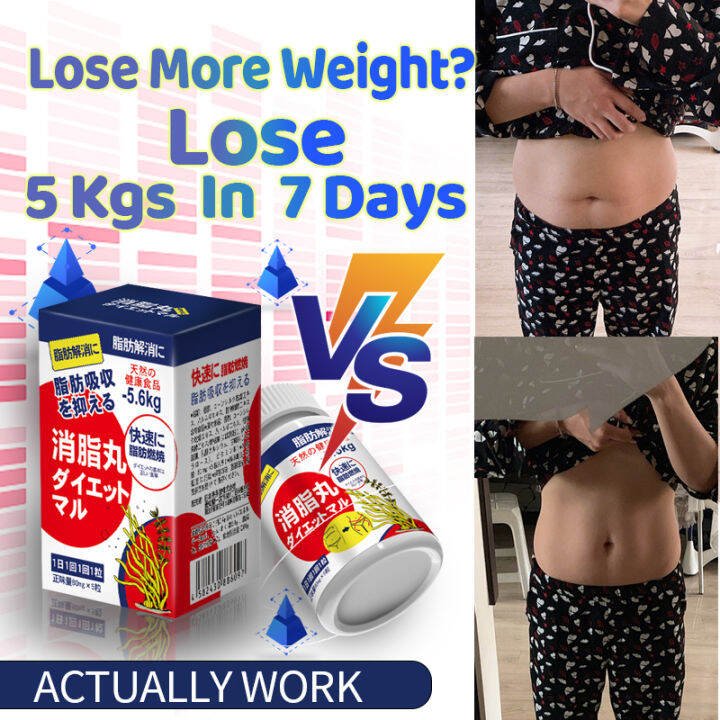
Enter the "slimming pill with no side effects." This marketing slogan taps into a profound human yearning for effortlessness and immediate results. It promises to bypass the hard work, the emotional strain, and the time commitment typically associated with weight loss. Marketers skillfully leverage this desire by employing persuasive language: "natural ingredients," "breakthrough formula," "scientifically proven without the risks," "lose weight effortlessly," and, of course, the ever-popular "no known side effects."
These claims are often accompanied by dramatic before-and-after photos, testimonials from seemingly ecstatic users, and endorsements (sometimes fabricated) from obscure "doctors" or "scientists." The appeal is undeniable, offering a beacon of hope to those who have struggled for years, providing a seemingly guilt-free shortcut to their desired physique.
Deconstructing the "No Side Effects" Claim: A Scientific Impossibility?
To understand why the "no side effects" claim is, in almost all cases, a fallacy when it comes to effective weight loss, we must first understand what "side effects" truly mean in a pharmacological context.
What is a Side Effect?
In medicine, a side effect (or adverse effect) is any unintended or unwanted effect of a drug or treatment. It’s an effect that occurs in addition to the primary, desired effect. Every active substance, from a common painkiller to a life-saving antibiotic, has the potential for side effects. The severity can range from mild (e.g., dry mouth, headache) to severe (e.g., organ damage, allergic reactions, death).
The Core Paradox:
If a pill genuinely has an effect on your body – if it boosts metabolism, suppresses appetite, blocks fat absorption, or alters hormone levels – it must interact with your body’s complex biological systems. These interactions, by their very nature, carry the potential for unintended consequences.
- If it does something, it can do something else. If a compound can increase your heart rate to burn more calories, it can also cause palpitations or anxiety. If it blocks fat absorption, it can lead to digestive upset or nutrient deficiencies. If it suppresses appetite by acting on brain chemicals, it can affect mood or sleep.
- If it truly has no side effects, it likely has no effects. The only truly "side-effect-free" pill is often an inert substance, a placebo. While placebos can sometimes induce minor weight loss through psychological mechanisms, they don’t possess the direct physiological action claimed by most slimming products.
The Regulatory Landscape:
A crucial distinction exists between pharmaceutical drugs and dietary supplements.
- Pharmaceutical Drugs (Prescription Weight Loss Medications): These undergo rigorous testing, including multiple phases of clinical trials, to prove both efficacy and safety. The U.S. Food and Drug Administration (FDA) and similar bodies worldwide scrutinize data on side effects, drug interactions, and long-term risks before approval. Even approved weight loss drugs (like Orlistat, Phentermine, Liraglutide, etc.) come with extensive lists of known and often significant side effects and are prescribed under strict medical supervision.
- Dietary Supplements: In many countries, including the U.S., dietary supplements are regulated more like food than drugs. This means they do not need FDA approval for safety or effectiveness before being marketed. The manufacturer is responsible for ensuring the product is safe and the claims are truthful. This gaping loophole allows companies to sell products with little oversight, often containing unproven ingredients, incorrect dosages, or even hidden, dangerous substances.
Common "Natural" Slimming Pill Ingredients and Their Actual Potential Side Effects
Let’s examine some of the most common ingredients found in "natural" slimming pills and the reality of their effects, often contradicting the "no side effects" claim:
-
Caffeine & Green Tea Extract:
- Claimed Mechanism: Boosts metabolism, increases fat burning (thermogenesis), provides energy.
- Reality: While caffeine can slightly increase metabolism and green tea contains catechins that may aid fat oxidation, the effects are modest.
- Potential Side Effects: Jitters, anxiety, insomnia, increased heart rate, elevated blood pressure, stomach upset, headaches. High doses can be dangerous, especially for individuals with heart conditions. Green tea extract has been linked to rare but serious liver damage in some susceptible individuals.
-
Garcinia Cambogia (Hydroxycitric Acid – HCA):
- Claimed Mechanism: Blocks fat production, suppresses appetite.
- Reality: Human studies show very limited and inconsistent effects on weight loss.
- Potential Side Effects: Digestive issues (nausea, diarrhea, stomach discomfort), headaches, skin rashes. More concerningly, there have been reports of liver damage and even liver failure associated with Garcinia Cambogia products, particularly those contaminated or taken in high doses.
-
Raspberry Ketones:
- Claimed Mechanism: Increases fat breakdown, boosts metabolism.
- Reality: Evidence for weight loss in humans is virtually non-existent. Most studies were done on mice or in test tubes, using extremely high doses that would be impossible or dangerous for humans to consume.
- Potential Side Effects: Limited human data, but theoretically, due to their structural similarity to stimulants, they could cause increased heart rate, jitters, and elevated blood pressure. Long-term effects are unknown.
-
Glucomannan (Konjac Root):
- Claimed Mechanism: Dietary fiber that absorbs water, expands in the stomach, promoting fullness and reducing calorie intake.
- Reality: As a fiber, it can promote satiety. Modest weight loss has been observed in some studies.
- Potential Side Effects: Bloating, gas, stomach discomfort, diarrhea or constipation. A choking hazard if not consumed with sufficient water, as it expands rapidly. Can interfere with the absorption of medications.
-
Conjugated Linoleic Acid (CLA):
- Claimed Mechanism: Reduces body fat, increases lean muscle mass.
- Reality: Human studies show very small, inconsistent, and often clinically insignificant weight loss effects.
- Potential Side Effects: Digestive upset (nausea, diarrhea, stomach pain), insulin resistance in some individuals, and potential negative effects on liver health at high doses.
-
Bitter Orange (Synephrine):
- Claimed Mechanism: Replaces ephedra as a stimulant, boosts metabolism, suppresses appetite.
- Reality: Synephrine is chemically similar to ephedrine (a dangerous stimulant banned in many countries due to severe side effects). It can indeed increase metabolism.
- Potential Side Effects: Significant cardiovascular risks including increased heart rate, elevated blood pressure, heart attack, stroke, and arrhythmias. Also linked to anxiety, insomnia, and headaches. Definitely not side-effect-free.
-
African Mango (Irvingia Gabonensis):
- Claimed Mechanism: Suppresses appetite, reduces fat cell growth.
- Reality: Some small studies suggest modest weight loss, but research is limited and often industry-funded.
- Potential Side Effects: Gas, bloating, headache, sleep problems.
This list is by no means exhaustive, but it highlights a critical pattern: even "natural" ingredients, when consumed in concentrated supplement forms, can and often do have measurable physiological effects, which include unwanted side effects. The claim of "no side effects" is almost always a misrepresentation, if not an outright lie.
The Dark Side: Hidden Dangers of Unregulated "Slimming Pills"
Beyond the known side effects of common ingredients, a far more insidious danger lurks within the unregulated supplement market: product adulteration and contamination.
Many unscrupulous manufacturers, eager to deliver on their "miracle" claims and ensure users feel a strong effect (even if dangerous), secretly add undeclared pharmaceutical ingredients to their "natural" slimming pills. These hidden ingredients are often prescription drugs or even banned substances, including:
- Sibutramine: A prescription weight loss drug (formerly marketed as Meridia) that was withdrawn from the market in many countries due to increased risk of heart attack and stroke. It works by affecting brain chemicals.
- Amphetamines or Amphetamine-like Substances: Powerful stimulants that can cause severe cardiovascular problems, addiction, and psychological issues.
- Laxatives and Diuretics: While they can cause temporary weight loss through fluid or waste expulsion, they do not burn fat and can lead to severe dehydration, electrolyte imbalances, and long-term digestive damage.
- Antidepressants: Some weight loss supplements have been found to contain undeclared antidepressants, which can have serious interactions with other medications and cause adverse psychological effects.
Why is this so dangerous?
- Unknown Dosages: Users consume these potent drugs without knowing the dosage, which can be dangerously high.
- Drug Interactions: The hidden ingredients can interact dangerously with other prescription medications, over-the-counter drugs, or existing health conditions.
- Unforeseen Health Risks: Individuals with underlying heart conditions, high blood pressure, diabetes, or mental health issues are particularly vulnerable to severe adverse reactions.
- Lack of Medical Supervision: These powerful substances are consumed without any medical oversight, denying users the necessary monitoring for side effects or complications.
- False Sense of Security: The "natural" or "no side effects" label gives consumers a false sense of safety, making them less likely to attribute adverse symptoms to the pill.
The consequences of consuming adulterated slimming pills can be devastating, ranging from severe liver damage, kidney failure, cardiovascular events (heart attack, stroke), seizures, and even death. Regulatory agencies worldwide frequently issue warnings and recalls for these tainted products, but new ones constantly emerge.
Identifying Red Flags: When a Claim is Too Good to Be True
Given the pervasive nature of deceptive marketing, it’s crucial for consumers to develop a critical eye. Here are undeniable red flags that signal a slimming pill is likely dangerous, ineffective, or both:
- Claims of "No Side Effects": As discussed, this is almost always a lie for any effective product.
- Promises of Rapid, Effortless Weight Loss: "Lose 30 pounds in 30 days without diet or exercise!" Such claims defy basic human physiology and are physically impossible or dangerously unhealthy.
- "Miracle Cure" or "Secret Ingredient": Weight loss is complex. There are no magical single ingredients that override biological principles.
- Lack of Scientific Evidence or Reliance on Anecdotes: If claims aren’t backed by peer-reviewed human clinical trials (not just testimonials or lab studies on rats), be extremely skeptical.
- "Doctor Recommended" Without Specifics: If they don’t name specific, reputable medical professionals or institutions, it’s a baseless claim.
- Aggressive Marketing Tactics: High-pressure sales, limited-time offers, celebrity endorsements (often fake), and before-and-after photos that look too good to be true.
- Exaggerated Health Benefits Beyond Weight Loss: Claims of curing multiple diseases or providing extreme energy boosts are often signs of snake oil.
- Price That Seems Too Low or Too High: Both can be red flags. Extremely cheap products might indicate low-quality ingredients or dangerous fillers. Exorbitantly priced products might be preying on desperation.
- Vague Ingredient Lists or Proprietary Blends: If you can’t clearly see what’s in it, avoid it. "Proprietary blends" often hide the actual amounts of active ingredients, making it impossible to assess safety or efficacy.
- Sold Exclusively Online or Through Untraceable Channels: Reputable products are usually available through established retailers or pharmacies. Products found only on obscure websites or social media may be unregulated.
The True Path to Sustainable Weight Management: No Pills Required
The unfortunate truth is that there is no magic pill for sustainable, healthy weight loss, especially not one "with no side effects." The genuine path to a healthier weight and improved well-being is well-established, scientifically proven, and requires commitment, not a pill bottle.
-
Balanced Nutrition:
- Focus on Whole Foods: Prioritize fruits, vegetables, lean proteins, whole grains, and healthy fats.
- Portion Control: Be mindful of how much you eat, even of healthy foods.
- Limit Processed Foods, Sugary Drinks, and Excessive Fats: These contribute empty calories and often lack essential nutrients.
- Hydration: Drink plenty of water throughout the day.
- Mindful Eating: Pay attention to your hunger and fullness cues, eat slowly, and savor your meals.
-
Regular Physical Activity:
- Mix of Cardio and Strength Training: Cardio (walking, running, swimming, cycling) burns calories, while strength training builds muscle, which boosts metabolism.
- Find Activities You Enjoy: Consistency is key, so choose activities that you can stick with long-term.
- Aim for at least 150 minutes of moderate-intensity aerobic activity or 75 minutes of vigorous-intensity activity per week, plus strength training on two or more days.
-
Lifestyle Modifications:
- Adequate Sleep: Lack of sleep can disrupt hunger-regulating hormones (ghrelin and leptin) and increase cravings.
- Stress Management: Chronic stress can lead to emotional eating and increased cortisol levels, which can promote belly fat storage. Practice relaxation techniques like meditation, yoga, or deep breathing.
- Consistency and Patience: Weight loss is a journey, not a sprint. Celebrate small victories and don’t get discouraged by setbacks.
-
Professional Guidance:
- Consult a Healthcare Provider: Before embarking on any significant weight loss journey, talk to your doctor. They can assess your overall health, identify underlying conditions, and provide personalized advice.
- Registered Dietitian/Nutritionist: A qualified dietitian can help you create a personalized meal plan that fits your needs, preferences, and health goals.
- Certified Personal Trainer: They can design a safe and effective exercise program tailored to your fitness level.
- Therapist or Counselor: If emotional eating, body image issues, or psychological factors are contributing to weight struggles, professional mental health support can be invaluable.
Conclusion: Prioritizing Health Over Hype
The search for a "slimming pill with no side effects" is a quest for a phantom. While the allure of effortless weight loss is powerful, the scientific reality is clear: effective substances will inevitably have physiological impacts, and therefore, potential side effects. The vast majority of products making such claims are either ineffective placebos, contain potentially harmful undeclared ingredients, or possess genuine ingredients with known side effects that are conveniently omitted from marketing.
Embracing the truth – that sustainable weight management is a result of consistent, healthy lifestyle choices – is the first and most crucial step towards genuine and lasting well-being. Instead of chasing the elusive promise of a miracle pill, invest in your health through balanced nutrition, regular physical activity, adequate sleep, and professional guidance. This holistic approach, while requiring effort and patience, is the only proven path to not just weight loss, but also improved overall health, vitality, and a truly side-effect-free sense of accomplishment. Your health is too valuable to gamble on unsubstantiated claims and potentially dangerous products.
